
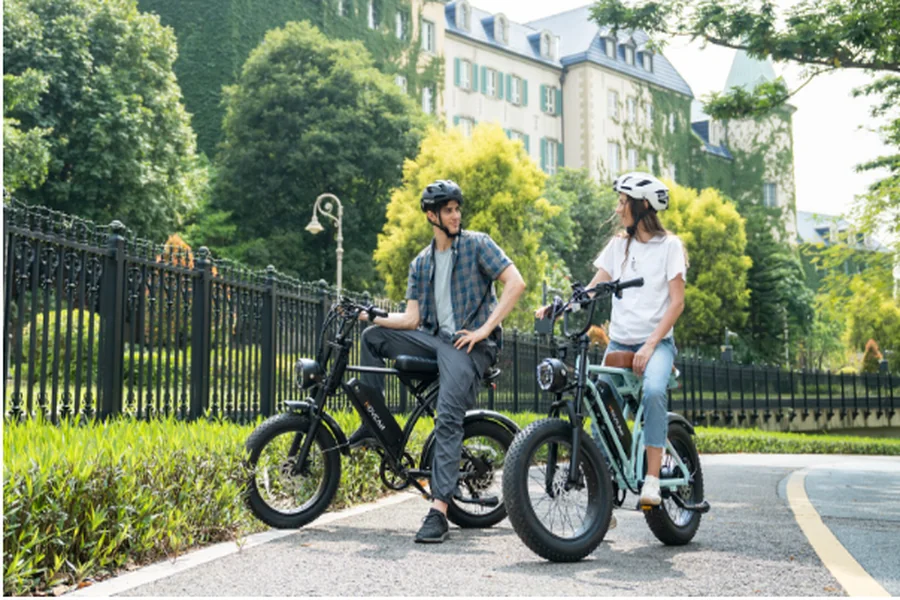
The convergence of powerful LED technology with electric propulsion has transformed night riding from a necessity into a deliberate pursuit—offering unique sensory experiences, wildlife encounters, and technical challenges distinct from daytime adventures. While daytime trail exploration on a best electric dirt bike delivers obvious visual rewards, night riding introduces an entirely different dimension to familiar terrain. This comprehensive seasonal guide addresses the specific challenges, opportunities, and equipment requirements for successful after-dark e-bike adventures throughout the year.
Spring Night Riding: Navigating the Transition Season
Spring presents distinctive challenges for nocturnal e-biking, with dramatically fluctuating conditions requiring specific adaptations:
Temperature Management Strategy: Spring evenings typically feature temperature drops of 15-25°F after sunset, creating complex layering challenges. Implement a three-component approach:
- Base layer: Lightweight merino blend (145-165g weight) with extended length preventing exposure during riding position
- Mid layer: Packable synthetic insulation with strategic ventilation panels aligned with core heat-generating zones
- Outer layer: Lightweight packable shell with 10,000mm minimum waterproof rating and reflective elements
Trail Condition Assessment: Spring thaw cycles create specific hazards amplified in darkness:
- Perform reconnaissance during daylight hours identifying drainages and water crossings
- Utilize weather applications tracking freeze-thaw cycles to anticipate trail conditions
- Reduce tire pressure by 3-5 PSI from daytime settings to improve traction on wet surfaces
- Extend route timing estimates by 25-30% for identical routes compared to summer conditions
Wildlife Awareness: Spring brings increased nocturnal animal activity requiring specific precautions:
- Implement periodic bell usage or vocal signals at 2-3 minute intervals approaching blind corners
- Utilize red-spectrum secondary lighting when stopped to minimize wildlife disturbance
- Carry compact air horn for deterrence in predator territories
Summer Night Riding: Thermal Management and Visibility
Summer presents the ideal introduction to night riding, with warmer temperatures and extended twilight transitions:
Heat Management Protocol: Unlike other seasons, summer night rides often begin in excessive heat, requiring specialized approaches:
- Pre-hydrate with electrolyte solution (500-750ml) 60-90 minutes before departure
- Utilize evaporative cooling vests during initial ride segments
- Schedule departures to coincide with thermal crossover point (typically 60-90 minutes before sunset)
- Plan routes incorporating water sources for mid-ride cooling
Insect Management: Summer brings specific biological challenges:
- Apply permethrin treatments to riding gear 24-48 hours before night adventures
- Utilize physical barriers (lightweight neck gaiters, wrist covers) rather than chemical repellents that may affect optical equipment through inadvertent transfer
- Install yellow-spectrum secondary lighting at water crossings to reduce insect attraction
Lighting Configuration: Summer foliage creates specific illumination challenges:
- Primary headlight: Minimum 1800 lumens with 30-degree beam pattern
- Secondary helmet light: 750+ lumens with adjustable focus capability
- Ambient illumination: 120-degree flood attachments reducing tunnel vision effect
- Consider yellow-filter overlays reducing particulate reflection from humid air
Autumn Night Riding: The Golden Hour and Beyond
Fall represents the premier night riding season, combining comfortable temperatures with exceptional visibility opportunities:
Foliage Navigation Strategy: Leaf accumulation creates specific traction and navigational challenges:
- Increase tire pressure 2-3 PSI from summer settings improving resistance to unpredictable surfaces
- Utilize GPS tracking with breadcrumb functionality as trail definition often disappears under leaf cover
- Implement periodic trail marking verification techniques at key intersections
Temporal Planning Opportunities: Autumn’s earlier darkness allows completion of significant routes entirely within darkness:
- Schedule weekday departures 30-45 minutes after workplace departures to avoid commuter traffic
- Utilize weekday ebike rental services experiencing lower demand during this season
- Plan routes with eastward starts and westward returns maximizing residual light during initial navigation
Battery Optimization: Fall temperature fluctuations significantly impact battery performance:
- Implement battery preconditioning protocols (indoor storage until departure)
- Utilize insulated battery covers maintaining optimal temperature range
- Decrease power consumption during initial ride segments while ambient temperatures remain higher
- Anticipate 15-20% reduced range compared to identical summer night routes
Winter Night Riding: The Technical Challenge
Winter night riding represents the ultimate technical challenge, requiring comprehensive preparation and specialized equipment:
Cold-Weather Battery Protocol: Battery capacity experiences dramatic reduction in sub-freezing conditions:
- Maintain batteries above 60°F until immediately before departure
- Utilize neoprene battery covers with reflective internal liners
- Implement periodic high-power intervals generating heat within battery enclosures
- Carry emergency backup batteries in insulated containers
- Anticipate 30-40% capacity reduction in temperatures below 20°F
Optical Management Systems: Winter conditions create unique visibility challenges:
- Primary lighting: 2000+ lumens with wide dispersal pattern illuminating peripheral terrain
- Secondary lighting: Helmet-mounted 1000+ lumen spotlight with narrow beam for distance identification
- Backup systems: Minimum two independent secondary light sources with separate power supplies
- Anti-fogging protocols: Apply specific lens treatments to optical equipment and eyewear
Surface Assessment Techniques: Snow and ice conditions require specialized evaluation approaches:
- Identify terrain features indicating subsurface ice (vegetation patterns, topographical depressions)
- Implement systematic testing procedures at regular intervals (controlled sliding assessments)
- Utilize tire systems with aluminum-carbide studs rather than steel for improved traction without excessive battery consumption
- Reduce speed by 40-50% compared to identical summer routes
Universal Night Riding Protocols
Regardless of season, implement these foundation practices ensuring successful nocturnal adventures:
Communication System: Always establish specific ride parameters with non-participating contacts:
- Detailed route information including anticipated completion time
- Scheduled check-in protocols at predetermined intervals
- Emergency response procedures if check-ins are missed
- GPS tracking sharing with designated emergency contacts
Equipment Redundancy: Night riding demands multiple backup systems:
- Minimum three independent light sources with separate power supplies
- Backup battery system supporting minimum return-to-trailhead requirements
- Navigation redundancy including downloaded offline maps
- Emergency shelter systems appropriate to seasonal conditions
Post-Ride Assessment: Implement systematic evaluation protocols:
- Document equipment performance in specific conditions
- Record route variations created by nighttime perception differences
- Evaluate energy consumption metrics for future planning
- Identify potential hazards for subsequent nighttime navigation
By implementing these seasonally-specific protocols while maintaining core safety practices, riders can transform simple trail excursions into extraordinary nocturnal adventures—experiencing familiar terrain through an entirely different perceptual framework while maximizing both safety and enjoyment throughout the year.
