
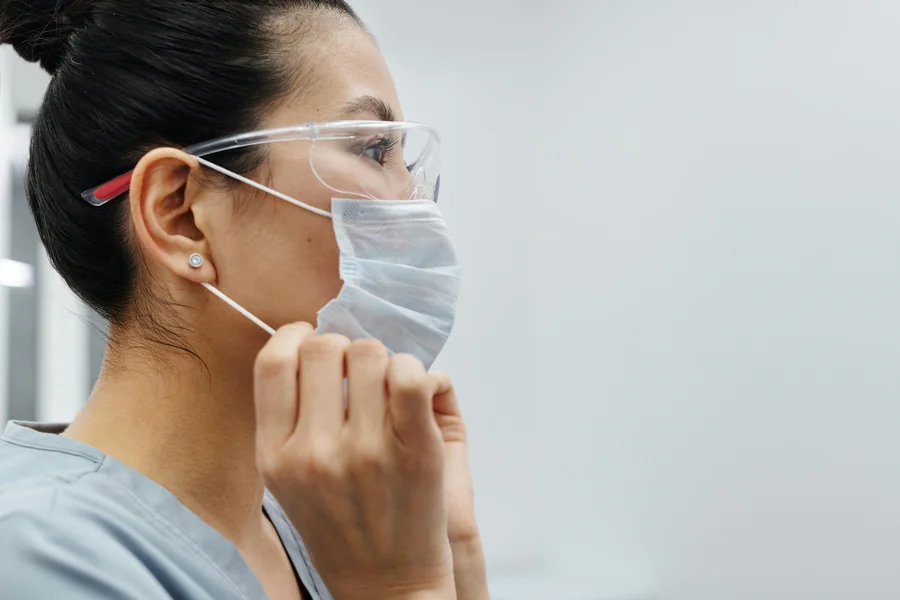
Starting a career in healthcare can feel exciting—and a little intimidating. If you’re exploring medical assistant programs, you might be wondering what your days will actually look like: the classes, hands-on labs, and real-world experience. It’s not just about sitting through lectures—it’s about preparing for an important role that touches both patients’ lives and clinic operations. Here’s how your learning journey typically unfolds.
Learning the Core Subjects in Class
In the classroom, you’ll begin with foundational topics that every medical assistant needs to know. Expect to learn about anatomy (how the human body is put together), medical terminology (special words doctors and nurses use), and basic pharmacology (how common medicines work). These lessons are designed to be relevant—not just theory, but the kind of knowledge you’ll use on the job every day.
You’ll also discuss patient communication, privacy rules like HIPAA (which protect patient information), and simple administrative tasks. It’s not all facts and figures—instructors will likely tell stories from real clinics that show what things are really like. This mix of practical and personal makes those early hours in class more than pages in a textbook—it’s the beginning of seeing how your role fits into the bigger healthcare picture.
Practicing Skills in the Lab
Once you’ve got the basics down, you’ll spend time in a lab—think of it like a training ground where it’s safe to learn by doing. Here, you’ll practice tasks such as checking vital signs (that’s temperature, pulse, blood pressure), drawing blood, giving injections, and even testing simple samples. Don’t worry, you’ll start with models or mannequins before working with real people.
Lab time is where a lot of students say, “Now I get it.” It’s one thing to read about taking blood pressure, and another to do it yourself, on another student, feeling the heartbeat under your fingertips. It builds confidence and muscle memory. Plus, labs are fun—you’ll be in small groups, asking questions, practicing together, and helping each other get it right before moving on to patients.
Gaining Real Experience through Internships
The next step is where things get real: clinical internships. This is when you step into a healthcare setting—like a small clinic, doctor’s office, or urgent care center—and start assisting with everyday tasks. You’ll file charts, prep exam rooms, help with patient check-ins, and support professionals as they care for patients. It’s your chance to see the nuances that class and lab can’t fully capture, like how to put someone at ease or deal with a full waiting room.
Most students describe internships as challenging and eye-opening—but also incredibly rewarding. You’re no longer just learning—you’re doing. And you’re doing it under supervision, with real patients belonging to a real practice. That exposure is often what turns theory into real-world readiness.
Growing Professional Confidence and Routine
As your program moves forward, you’ll notice something shift: everything starts to click. Jargon turns into habit. Lab muscle memory becomes a natural technique. And by the time your internship ends, the routines of a medical assistant—checking vital signs, preparing rooms, handling records—feel familiar and second nature.
This transition is powerful. It’s not just about knowing tasks—it’s about being trusted in a healthcare environment and seeing yourself in that role. That kind of confidence matters. It makes interviews easier, work more comfortable, and opens doors when clinics look for new team members.
Preparing for the Workforce After Training
At the end of the program, you’ll be ready for the next step: certification and job hunting. Many schools support exam prep for certifications like the CMA (Certified Medical Assistant) or RMA (Registered Medical Assistant). These help validate your skills to employers and often improve your chances of landing a job.
As part of that prep, instructors might run mock interviews, offer resume feedback, or host career-focused sessions. You’ll learn to talk about your experience—from lab highlights to your internship stories—and show why you’re a great fit for clinics. It’s less about rehearsed lines and more about sharing honest moments that shaped your training.
From Classroom to Clinic Confidence
A medical assistant program takes you on a comprehensive journey—from classroom theory to hands-in-lab practice and into the real-world rhythm of patient care. It’s an experience that stretches you, connects you to healthcare teams, and prepares you to step into a meaningful role with poise.
If you’ve ever wondered what training looks like, you’ll find it’s both structured and supportive—designed to build skill, confidence, and professionalism before you walk into your first paying job. Exploring a reliable provider of medical assistant programs can help you discover just how accessible this pathway is.
So if you’re considering this route, know that the blend of learning, doing, and growing is all part of a rewarding career in healthcare. And it starts the moment you choose to take that first class.
