
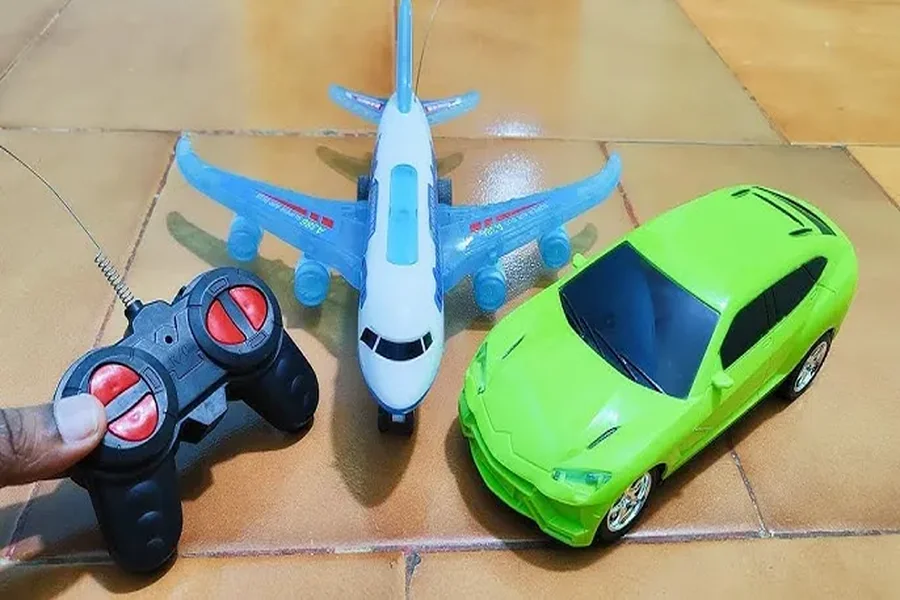
Remote control (RC) vehicles have evolved far beyond simple toys. Today, they captivate enthusiasts of all ages, offering an exciting combination of technology, skill, and imagination. From racing RC cars to piloting drones and planes, the world of remote control hobbies is vast, thrilling, and accessible to both beginners and seasoned hobbyists. This guide explores the essentials, the varieties, and the tips to get the most out of your RC experience.
Understanding Remote Control Vehicles
At its core, a remote control vehicle is a device operated wirelessly through a transmitter, sending signals to a receiver on the vehicle. These signals control speed, direction, and other functions depending on the type of RC vehicle. Advances in electronics, battery technology, and materials have made RC vehicles more durable, faster, and capable of complex maneuvers than ever before.
RC enthusiasts often fall into two broad categories: casual hobbyists and competitive racers. Casual users may enjoy leisurely drives or aerial stunts, while competitors engage in precision racing, aerobatic flying, or technical challenges. Knowing your goal can help guide your choice of vehicle.
Types of Remote Control Vehicles
RC Cars
RC cars are the most popular and widely accessible type of remote control vehicle. They range from simple, off-the-shelf models to high-performance machines capable of speeds exceeding 60 mph.
Key varieties include:
- Electric RC Cars: Powered by rechargeable batteries, these cars are quiet, easy to maintain, and ideal for beginners.
- Nitro RC Cars: Fueled by a special nitro-methane blend, these cars are faster and produce realistic engine sounds, but they require more maintenance.
- Off-Road RC Cars: Equipped with rugged tires and suspension systems, these cars excel on dirt tracks, gravel, or grassy terrain.
- On-Road RC Cars: Designed for smooth surfaces, they offer speed and precision handling for track racing.
RC Planes
RC planes allow enthusiasts to experience the thrill of flight without leaving the ground. They come in various sizes and levels of complexity, from beginner-friendly trainers to advanced aerobatic models.
Popular categories include:
- Electric Trainers: Lightweight, stable, and easy to control, ideal for first-time pilots.
- Gliders: Focused on soaring flight using wind currents, requiring skillful maneuvering.
- Acrobatic Planes: Designed for flips, rolls, and loops, offering advanced aerial stunts.
- Scale Models: Replicas of real aircraft, often detailed and used for competitive flying or display.
Drones and Multirotors
Drones have surged in popularity due to their versatility. Unlike fixed-wing planes, multirotor drones can hover, rotate, and perform precise movements in tight spaces. Many come equipped with cameras for aerial photography or racing capabilities for competitive events. Drone technology has also introduced features like GPS stabilization, obstacle avoidance, and automated flight paths, making them accessible to newcomers.
Boats and Submarines
For water enthusiasts, RC boats and submarines offer unique challenges. High-speed boats mimic real-world racing vessels, while submarines dive beneath the surface, testing precision control and patience. Waterproofing and battery efficiency are crucial considerations for these vehicles.
Choosing the Right RC Vehicle
Selecting the right RC vehicle depends on your experience level, budget, and intended use. Beginners should prioritize durability, ease of use, and safety features, and visiting a local RC store can help you get hands-on advice and see models in person before buying. Experienced hobbyists may focus on speed, maneuverability, or advanced electronics. Always consider spare parts availability, battery life, and potential upgrades, as these factors affect long-term enjoyment.
Essential Accessories and Maintenance
To get the most out of your RC vehicles, investing in accessories and practicing maintenance is crucial. Essentials include extra batteries, chargers, spare parts, and protective gear like track barriers or carrying cases. Regular maintenance—cleaning, lubrication, and checking for wear—ensures peak performance and prolongs the lifespan of your vehicle.
Tips for a Great RC Experience
- Start Small: Begin with entry-level models to develop skills and confidence.
- Practice in Open Spaces: Avoid crowded areas for safety and ease of maneuvering.
- Join Communities: RC clubs and online forums offer advice, events, and camaraderie.
- Experiment and Upgrade: Customize vehicles with new parts, decals, or electronics for enhanced performance and personal expression.
The Future of RC Hobbies
Advancements in technology continue to push the boundaries of what remote control vehicles can do. Artificial intelligence, augmented reality, and improved battery efficiency are set to redefine the hobby. The line between entertainment and professional use—such as drone cinematography or robotics—is becoming increasingly blurred, offering endless possibilities for enthusiasts.
Conclusion
The world of remote control cars, planes, drones, and beyond offers a unique combination of fun, skill, and technical exploration. Whether you’re racing across dirt tracks, performing aerial stunts, or navigating watercourses, RC vehicles provide an immersive and rewarding experience. By understanding the different types, selecting the right equipment, and practicing proper maintenance, anyone can dive into this exciting hobby and discover the thrill of controlling vehicles from the palm of their hand.
