
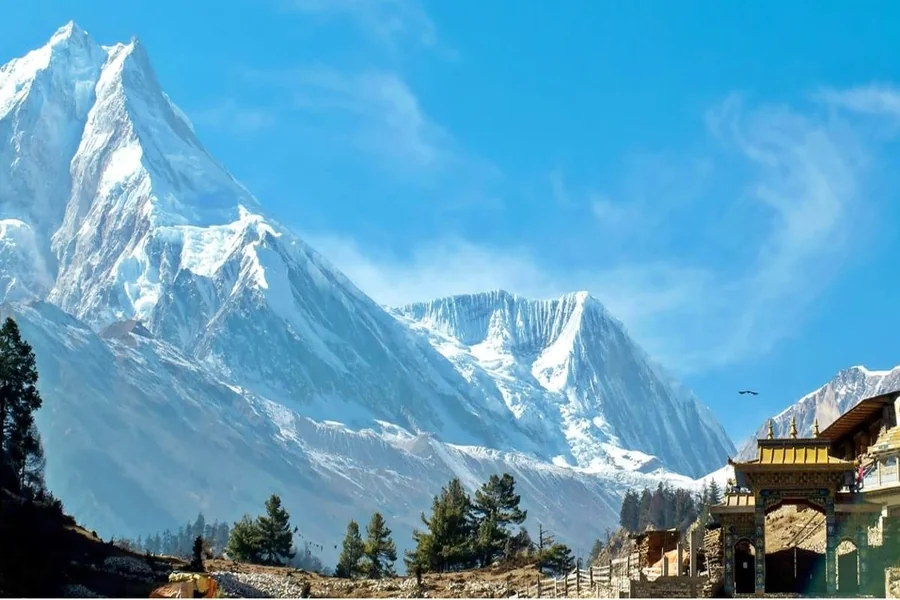
Long weekend rides are a big part of riding culture in Nepal. A few free days are enough to escape city traffic and head towards winding hill roads, river valleys, or quiet highways. But before the engine starts and the bags are packed, safety and preparation matter more than excitement.
A proper pre-ride checklist can help reduce risks, avoid breakdowns, and make the journey smoother from start to finish. Nepal’s roads can change quickly, from smooth tarmac to broken patches, gravel, fog, or sudden rain. Being prepared is not optional. It is essential.
This guide walks through a simple, practical pre-ride checklist designed for long weekend rides in Nepal, focusing on safety, comfort, and peace of mind.
1. Inspect Your Motorcycle Thoroughly
Your bike is your biggest safety system on the road. Before any long ride, give it your full attention.
- Tyres: Check air pressure when the tyres are cold and make sure it matches the recommended level. Inspect for uneven wear, cracks, or embedded objects. Tyres are the only contact point with the road, making them especially important on mountain curves and wet surfaces.
- Brakes: Ensure there is a firm and consistent bite at both the front and rear. Check that the brake pads are not worn out and that the brake fluid levels are correct. Reliable braking is essential for downhill sections and sudden traffic situations on Nepali highways.
- Engine & Fluids: Check engine oil and coolant level, if applicable, and look for any leaks. Proper fluid levels help maintain smooth performance during long rides.
- Chain & Drivetrain: Inspect chain lubrication and tension. A dry or loose chain can affect power delivery, ride comfort, and overall safety.
Lights, horn, indicators, and mirrors should all be checked before leaving home.
2. Braking and Stability Readiness
Nepal’s terrain demands confidence in braking and balance. Roads may include sharp turns, unpredictable traffic, and sudden obstacles.
Make sure the braking system responds consistently without sponginess. Modern motorcycles with advanced braking and stability features are designed to assist riders during panic stops and uneven surfaces. While technology helps, basic checks are still necessary.
Test your brakes during a short local ride before starting the trip. This small step in your pre-ride checklist can prevent major trouble later.
3. Riding Gear: Dress for Safety and Comfort
Riding gear is not an accessory. It is protective equipment.
A full-face helmet with proper ventilation protects against wind, dust, and sudden rain. Riding jackets with armour, gloves, and sturdy boots help reduce fatigue and protect in case of falls. During long rides, layered clothing works best, allowing you to adjust for temperature changes between mornings, afternoons, and higher altitudes.
Good gear improves focus. When riders are comfortable and protected, decision-making on the road becomes sharper. No pre-ride checklist is complete without checking riding gear.
4. Documents and Legal Essentials
Before heading out, double-check all required documents.
Carry your driving licence, bike registration papers, and insurance documents. Keep both physical copies and digital backups on your phone. In Nepal, routine checks are common on highways and entry points to tourist areas.
Add emergency contact details and blood group information inside your wallet or helmet. This step is often overlooked but is a valuable part of a responsible pre-ride checklist.
5. Route Planning and Weather Awareness
Long weekend rides often involve unfamiliar routes. Spend some time planning the journey. Check road conditions, fuel stations, and rest stops along the way. Avoid riding late at night, especially in hilly regions where visibility drops quickly.
The weather can change suddenly in Nepal. Always check forecasts before departure. Rain, fog, or landslides can affect travel time. Keep buffer time in your plan and avoid rushing.
Route planning adds clarity and reduces stress, making your pre-ride checklist more effective.
6. Fuel, Fluids, and Range Planning
Never start a long ride with a partially filled fuel tank. Fuel stations may be far apart once you leave major towns. Understand your motorcycle’s fuel range and plan your stops accordingly. Carry a small emergency fuel bottle only if permitted and handled safely.
Also check clutch cable play, throttle response, and battery condition. These small checks form an important layer of your pre-ride checklist, especially for older motorcycles or long-distance rides.
7. Tool Kit and Emergency Supplies
Even well-maintained bikes can face unexpected issues.
Carry the basic tool kit, tyre puncture repair kit, and a compact air inflator if possible. Add zip ties, spare fuses, and a torch. A small first-aid kit is essential. Include pain relief spray, bandages, and basic medication. Emergency preparedness should always be part of your pre-ride checklist, not an afterthought.
8. Mental Readiness and Riding Discipline
Safety is not just mechanical. It is mental.
Ensure you are well-rested before the ride. Avoid starting early after a late night. Fatigue reduces reaction time and decision-making ability.
Ride within your limits. Maintain safe speeds, respect local traffic patterns, and avoid unnecessary overtakes. Group rides require extra discipline and clear communication. A calm, focused rider completes the pre-ride checklist not just for the bike but for themselves.
9. Luggage and Load Balance
Poor luggage setup can affect handling and braking. Use proper luggage mounts or saddlebags. Ensure weight is evenly distributed and secured tightly. Loose bags can shift during turns or bumps.
Do a short test ride after loading to check the balance. This simple step strengthens your pre-ride checklist and improves overall riding stability.
Long weekend rides in Nepal are rewarding when done responsibly. The scenery, roads, and freedom are best enjoyed when safety comes first. Following a structured pre-ride checklist helps riders avoid common mistakes, handle unexpected conditions, and focus on the joy of the journey. From mechanical checks and riding gear to route planning and mental readiness, every step plays a role.
Before every ride, pause for a few minutes and go through your pre-ride checklist. That habit can make the difference between a stressful trip and a memorable one.
Prepared riders ride farther, safer, and with confidence.
