
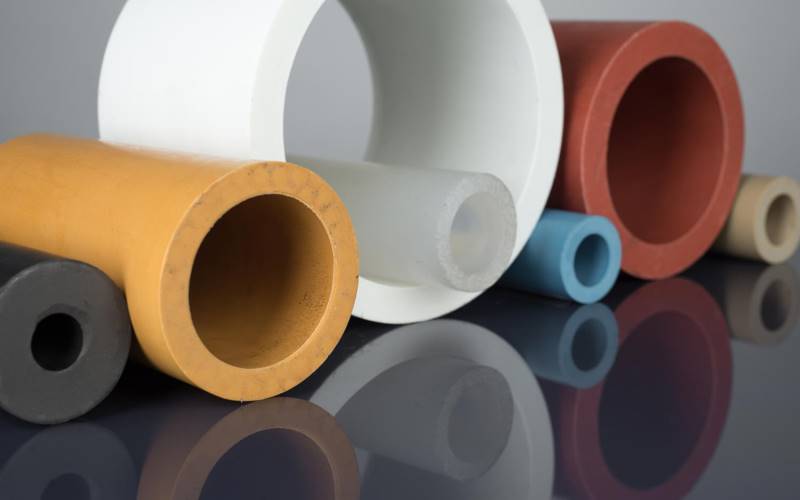
Polytetrafluoroethylene (PTFE), also called Teflon, is a widely used synthetic polymer with properties that leverage industrial operations. However, its pure form has limitations that affect performance in demanding applications. Mixing ceramics in powdered form with the polymer creates a material that addresses these issues. Let’s explore ceramic-infused PTFE, its advantages, and how it’s used in numerous industries.
A Closer Look Into Ceramic-Reinforced PTFE
This composite material requires fine ceramic particles, typically made from aluminum oxide, silicon carbide, or boron nitride. Adding them to the PTFE matrix enhances properties that make the material ideal for applications where superior performance in harsh environments is necessary. These include:
Resistance to Mechanical Wear
Blending ceramic fillers reduces PTFE’s tendency to creep and deform under mechanical stress. This makes the material suitable for crafting components subjected to repeated contact and high friction. Additionally, its enhanced wear resistance extends the PTFE component’s lifespan, significantly minimizing replacements, downtime, and associated costs.
Improved Thermal Stability
Although virgin PTFE can withstand elevated temperatures, it tends to lose structural integrity when operating under extreme ranges. Infusing the polymer with ceramics makes it more thermally stable and allows it to perform better in environments with temperatures reaching 260°C (500°F). This is advantageous for applications in aerospace, automotive, and industrial processing.
Less Friction
Despite blending in ceramic particles, this PTFE grade retains its inherent self-lubricity. Its low friction properties eliminate the need for additional lubrication and lessen the energy consumed due to friction. Hence, it’s a popular material for producing rotating and sliding components.
Excellent Chemical and Corrosion Resistance
Like its virgin form, ceramic-filled Teflon can withstand acids, alkalis, chemicals, solvents, and other corrosive substances. This is why it has become one of the preferred options for use in operations where exposure to aggressive substances is common.
Dimensional Stability
Incorporating ceramics fillers enhances PTFE’s dimensional stability and lessens the expansion and contraction that occur when temperatures shift. This property keeps the component’s precise shape and function for long periods, even under fluctuating temperatures and pressures.
How Is Ceramic-Infused PTFE Utilized?
PTFE fortified with ceramic particles can be machined, molded, and extruded into varying shapes, sizes, and complex geometries. Thanks to its versatility, it has become a valuable material across diverse sectors. Here are some of its most common applications:
Seals and Gaskets
Ceramic-filled PTFE is often used in critical sealing solutions in pharmaceutical production, oil and gas refining, and chemical processing facilities. Its chemical inertness and thermal stability ensure that gaskets and seals deliver long-lasting, leak-proof performance in settings with corrosive fluids and extreme pressures and temperatures.
Bearings, Bushings, and Wear Pads
The self-lubricity, wear resistance, and low friction coefficient properties of ceramic-filled Teflon make it a choice material for bushings. These devices are often used in heavy machinery, electric generators, conveyors, and car suspension systems.
It’s also ideal for wear pads and slide bearings in industries prioritizing low-maintenance and high-performance components. When created from ceramic-grade PTFE, these devices can endure heavy loads, high speeds, and abrasive conditions without deteriorating.
Valve Components and Liners
PTFE reinforced with ceramic fillers is commonly used to create valve seats, seals, and linings in the pharmaceutical, chemical, and oil industries. Using it as the primary manufacturing material gives the end products better durability and resistance to chemicals and aggressive substances, extending service life.
The enhanced polymer also offers exceptional non-stick properties that help prevent material buildup and enable smooth flow control. Moreover, it effectively decreases the risks of contamination. This property is particularly essential in sectors like pharmaceutical manufacturing, where ensuring product purity is mandatory.
Aerospace Components
In the aerospace industry, all materials must be able to withstand extreme temperatures, fluctuating pressures, and high mechanical stress. Ceramic-grade PTFE’s properties meet all these performance requirements. This is why many manufacturers use it for insulators, seals, spacers, and other aerospace applications.
Coatings and Linings
In the chemical, oil, gas, and marine sectors, pipelines, tanks, and other vital equipment need sufficient protection from harsh environmental conditions. For example, oil and gas refineries require durable, leak-proof pipes to transport hazardous materials.
Ceramic-infused PTFE is chemically inert and hydrophobic. Because of that, it’s frequently used to produce anti-corrosion and anti-fouling coatings and linings for such infrastructure.
See the Difference With Ceramic-Infused Polymers
Ceramic-filled Teflon is more than just an upgraded version of traditional PTFE; it’s a transformative creation for high-load applications in extreme operational techsslaash conditions. Whether used as machine parts, sealing solutions, or coatings, this composite material can deliver unmatched reliability, cut maintenance costs, and boost equipment longevity.
Get in touch with local PTFE manufacturers and engineers today to learn more about ceramic-grade Teflon. They can provide more details on how it can benefit your industrial application or project.
