
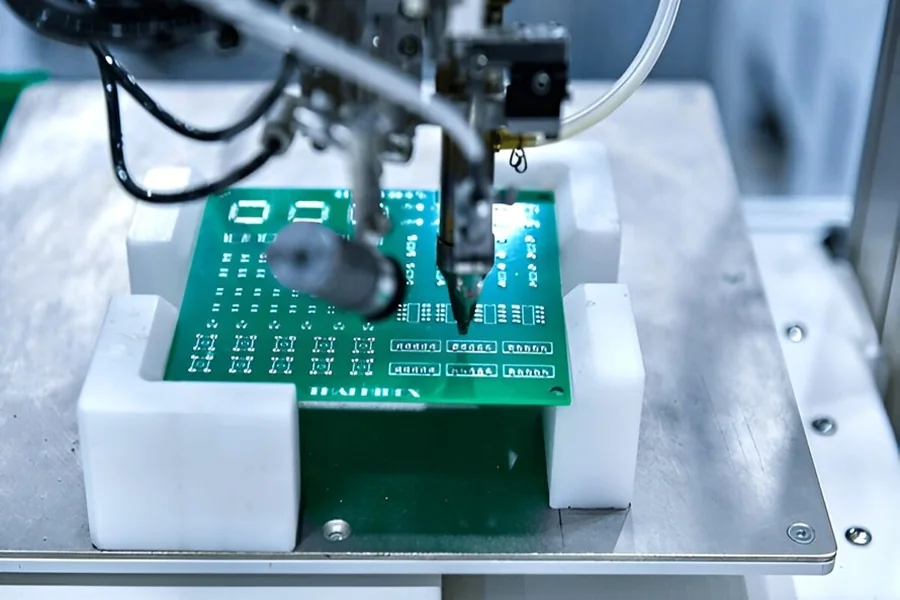
A custom PCB (Printed Circuit Board) is specifically designed to meet the unique electrical and mechanical requirements of a particular application or product. Unlike standard off-the-shelf PCBs, custom boards are tailored in terms of size, shape, layer count, material, and functionality. This flexibility allows engineers and product designers to create optimized circuit layouts that align with the performance, cost, and space constraints of their specific use cases.
Custom PCBs can range from single-layer prototypes for simple devices to complex multilayer boards used in sophisticated industrial and consumer electronics. Whether you’re developing a wearable gadget, an automotive module, or a high-frequency RF device, a custom PCB ensures that the final product meets all functional and regulatory expectations.
Why Custom PCBs Are Crucial for Innovation
Innovation in electronics often depends on form factor, reliability, and performance. Standard PCBs may not be adequate when a device demands an unconventional shape, ultra-compact layout, or specialized material to handle heat, impedance, or electromagnetic interference. A custom PCB is built to address these challenges directly.
One of the most important benefits of a custom PCB is space optimization. Engineers can design the board to perfectly fit the housing of the device, avoid unnecessary voids, and position components in a way that improves thermal flow and signal quality. This is especially vital for products where internal space is limited but functionality is not.
In addition to layout customization, material selection plays a key role. From FR4 to high-frequency laminates or metal-core substrates, custom PCB designs can be tailored to match electrical and environmental demands. These choices can directly impact signal integrity, thermal conductivity, and overall durability in challenging conditions.
Design Flexibility and Advanced Features
Custom PCBs allow for complete freedom in circuit design, which is ideal when working with cutting-edge technologies. Features such as blind/buried vias, HDI (High-Density Interconnect) routing, impedance-controlled traces, and hybrid stack-ups can all be integrated based on project requirements.
This design flexibility also includes component placement, trace routing, grounding strategies, and power distribution—all of which contribute to more reliable and efficient electronic systems. In scenarios like IoT modules, medical instruments, and robotics, every millimeter and signal path counts. Custom PCBs provide the foundation for precision and control.
Prototyping and iteration are also easier with custom PCBs. Engineers can create quick-turn prototypes to test various design approaches, optimize the layout, and fix flaws before full-scale production. The process helps reduce costly rework and speeds up time-to-market.
Common Applications of Custom PCBs
Custom PCBs are used across nearly every industry that relies on electronics. In the medical field, they power diagnostic tools, wearable health trackers, and implantable devices where precision and reliability are essential. In automotive electronics, custom PCBs drive engine control units, infotainment systems, and advanced driver-assistance systems (ADAS).
The aerospace and defense sectors use ruggedized custom PCBs in avionics, satellites, and communication systems. These boards are often exposed to extreme temperatures, vibration, and radiation, making their customized construction and material selection critical.
Consumer electronics—from smart home devices to mobile gadgets—rely on custom PCBs to ensure compactness, performance, and energy efficiency. Similarly, industrial control systems, robotics, and renewable energy systems all benefit from application-specific PCB design.
Custom PCB Fabrication Process
Creating a custom PCB starts with a detailed design and layout phase using specialized CAD software. Engineers develop schematics, define board dimensions, place components, and route connections based on power, signal, and mechanical considerations.
Once the design is finalized, it is converted into Gerber files and other necessary documents required for fabrication. These files guide the manufacturer in layering, etching, drilling, plating, and solder masking the board. Depending on the complexity, boards may undergo multiple lamination cycles, controlled impedance tests, and surface finish applications.
Custom PCBs also allow for various surface finishes such as ENIG, HASL, OSP, and immersion silver or gold, based on the assembly and operational needs of the product. Final inspection, electrical testing, and quality control ensure that the custom board meets specifications before moving to assembly or shipping.
Choosing the Right Custom PCB Manufacturer
When investing in custom PCB design and production, selecting the right custom pcb manufacturer is crucial. Look for a manufacturer with expertise in advanced fabrication technologies, material sourcing, and engineering support. The ideal partner should offer full-cycle service—from prototype to mass production—while maintaining strict quality standards and on-time delivery.
A reputable custom PCB manufacturer will collaborate closely with your engineering team to refine designs, suggest cost-effective alternatives, and optimize manufacturing processes. Whether you’re building a one-off prototype or scaling to high-volume production, their capabilities will directly impact the success of your project. Choose a partner who understands the demands of modern electronics and has the experience to bring your custom PCB to life with precision and reliability.
