
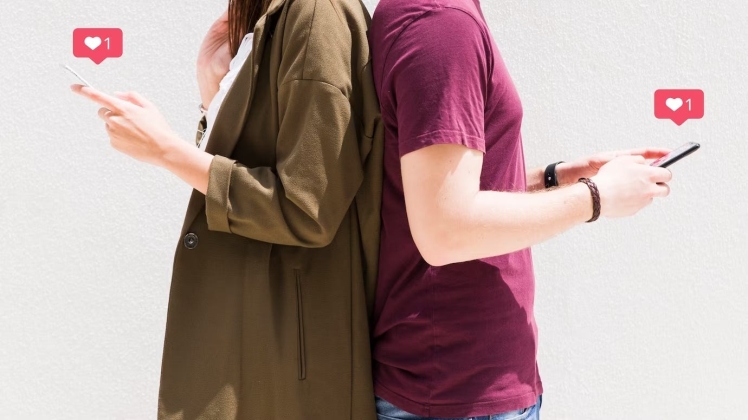
In the age of information and connectivity, social media has emerged as the cornerstone of our digital interactions. From fostering global friendships to shaping public discourse, social media platforms have transformed the way we connect, communicate, and share our lives. This article explores the intricate landscape of digital connections, delving into the impact of social media on personal relationships, societal dynamics, and the evolving nature of human connection in the digital age.
The Power of Connectivity:
Social media platforms serve as virtual bridges, connecting individuals across geographical boundaries and cultural divides. Whether it’s rekindling old friendships or forming new ones, these digital spaces facilitate connections that might have been otherwise impossible. The power of connectivity extends beyond personal relationships, influencing professional networks, collaborative projects, and even social movements.
Platforms like Facebook, Twitter, Instagram, and LinkedIn provide a virtual tapestry where people from diverse backgrounds can share ideas, experiences, and aspirations. The ability to connect instantaneously has fostered a sense of global community, transcending physical limitations and contributing to a more interconnected world.
Shaping Personal Identities:
Social media has become a canvas for self-expression, allowing individuals to curate and share their personal narratives. The creation of online personas, however, brings both opportunities and challenges. While it offers a platform for self-discovery and the celebration of individuality, it also raises questions about authenticity and the impact of curated identities on mental well-being.
Digital connections shape personal identities not only through the content individuals share but also through the way they interact with others online. The constant exposure to curated versions of people’s lives can sometimes lead to unrealistic expectations and a sense of inadequacy. Navigating the fine line between authenticity and digital presentation becomes crucial in maintaining healthy digital connections.
The Rise of Influencer Culture:
Social media has given rise to a new breed of online personalities known as influencers. These individuals leverage their digital presence to shape trends, influence consumer behavior, and create a sense of community around shared interests. While influencers provide valuable content and recommendations, the influencer culture also raises questions about authenticity, ethical practices, and the impact of commodifying personal experiences.
Digital connections with influencers can be powerful, offering access to diverse perspectives and niche expertise. However, it’s essential for consumers to approach influencer content critically, distinguishing between genuine recommendations and promotional efforts. The influence of social media personalities reflects the evolving nature of trust and credibility in the digital space.
Navigating Social Dynamics:
Social media is a dynamic landscape that mirrors and influences societal dynamics. The rapid dissemination of information, the amplification of voices, and the mobilization of communities for social causes have become defining features of digital connections. From hashtag movements to online activism, social media has redefined the way individuals engage with and contribute to social discourse.
However, the same platforms that amplify positive social change can also become breeding grounds for misinformation, cyberbullying, and echo chambers that reinforce existing biases. Navigating the complex social dynamics of digital connections requires a critical awareness of the information landscape and a commitment to fostering constructive dialogues.
Challenges to Privacy:
As digital connections become more ingrained in our daily lives, concerns about privacy have come to the forefront. Social media platforms, fueled by vast amounts of user data, raise questions about the security of personal information and the ethical use of data by tech companies. From targeted advertising to the risk of identity theft, individuals must navigate a landscape where the boundaries between public and private life can blur.
Maintaining digital connections while safeguarding privacy involves making informed choices about what information to share, understanding platform privacy settings, and advocating for stronger digital rights. Balancing the benefits of connectivity with the need for privacy is an ongoing challenge in the ever-evolving digital sphere.
The Impact on Mental Well-being:
The constant stream of curated content, the pressure to present an idealized version of life, and the comparison with others can take a toll on mental well-being. The digital landscape, while fostering connections, also introduces challenges such as social comparison, fear of missing out (FOMO), and online harassment.
Nurturing positive digital connections involves cultivating a healthy relationship with social media. This may include setting boundaries, being mindful of the impact of digital interactions on emotions, and recognizing the importance of offline connections for mental well-being.
Conclusion:
Digital connections have become an integral part of contemporary life, shaping how we relate to others, express ourselves, and engage with the world. While social media platforms offer unprecedented opportunities for connectivity, they also present challenges that require thoughtful navigation. As we continue to traverse the landscape of digital connections, it is essential to strike a balance between the benefits of online interaction and the preservation of authentic, meaningful relationships. Ultimately, the impact of social media on our lives is a reflection of the choices we make, the values we uphold, and the way we navigate the evolving terrain of digital connectivity.
