
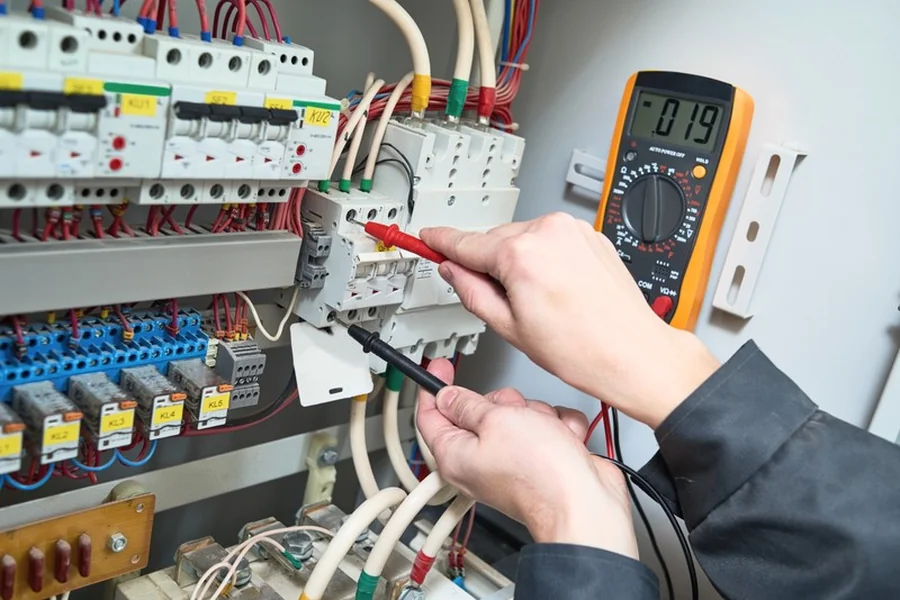
Understanding the Importance of Emergency Electrical Services
Why Every Homeowner Should Have an Emergency Plan
In today’s fast-paced world, emergencies can strike at any time, and electrical failures are among the most critical incidents that can disrupt the safety and function of your home. An emergency electrical plan is essential for every homeowner, as it not only prepares you for unexpected situations but also instills peace of mind. Having a plan in place provides a clear course of action when faced with an electrical issue, minimizing confusion and stress during a crisis. Your emergency plan should include contact information for local emergency electricians, instructions on how to safely turn off power at the main breaker, and knowledge of common electrical hazards that may arise in your home environment. Additionally, being equipped with basic electrical information can foster a sense of empowerment, allowing homeowners to act decisively in moments of urgency.
Furthermore, an emergency electrical plan goes beyond mere preparation; it serves as a proactive measure to protect your family’s safety. In incidents such as electrical fires, where every second counts, having a strategy in place can differentiate between a contained incident and a full-blown disaster. By sharing this plan with all family members, you can ensure that everyone knows what to do in an electrical emergency, thus further enhancing the safety and efficacy of your household.
The Risks of Neglecting Electrical Emergencies
Neglecting potential electrical emergencies poses significant risks that can have devastating consequences. Electrical issues are often subtle at first, presenting themselves through flickering lights, buzzing sounds, or even a faint smell of burning. Many homeowners dismiss these signs, believing them to be minor inconveniences. However, ignoring these warning signs can lead to more severe problems, including electrical fires, equipment damage, or personal injury. According to the National Fire Protection Association (NFPA), electrical fires account for approximately 15% of home fire incidents, underscoring the vital need for immediate attention to any electrical concerns.
Moreover, the neglect to promptly address electrical issues can lead to heightened repair costs. An unresolved issue can escalate, transforming a minor problem into a significant hazard that affects multiple systems in your home. This may result in extensive damage not only to electrical wiring but also to appliances, walls, and furnishings, contributing to both monetary limitations and emotional distress. Consequently, homeowners are encouraged to cultivate a vigilant mindset toward their electrical systems, understanding that proactive engagement is paramount in preventing potential disasters.
How Quick Action Saves Lives and Property
When facing electrical emergencies, rapid response and intervention can save lives and protect property. Quick action reduces exposure to dangerous situations, such as live wires and arcing circuits, which can cause severe injury or even fatality. The safe handling of electricity requires specialized knowledge and skills that most homeowners lack, which is why contacting professional emergency electricians is crucial upon identifying an electrical issue.
In addition to safety, fast action can substantially mitigate damage. For instance, addressing water leaks affecting electrical systems immediately can prevent irreparable harm to wiring and electronics that could otherwise lead to serious electrical shock or fire hazards. Furthermore, many emergency electricians offer 24/7 services, ensuring that help is always accessible when every moment counts.
The response includes not only physical actions but also utilizes technology to identify and locate hazards within the electrical system. Advanced electrical services may incorporate thermal imaging and diagnostic tools, enabling technicians to pinpoint exactly where issues lie, thus reducing repair time significantly. Ultimately, being proactive and seeking swift assistance can mean the difference between recovery and disaster, reinforcing the importance of reliable emergency electrical services.
Signs You Need Emergency Electrical Assistance
Common Warning Signs: When to Call for Help
Recognizing the signs of electrical distress is essential for any homeowner. Particular indicators signal a need for emergency electrical assistance, as they highlight potential dangers that could escalate. Common symptoms include frequent blown fuses or tripped circuit breakers, which suggest an overload in your electrical system. If these occurrences are frequent, it indicates that you may exceed your circuit capacity, warranting review and likely an upgrade by professionals.
Further signs to watch out for include scorch marks on outlets or plugs — a clear indication of arcing, which can lead to dangerous fire outbreaks if left unaddressed. Additionally, any buzzing sounds emanating from outlets or appliances can signal issues with wiring or overloaded circuits. Flickering or dimming lights may indicate poor connections or faulty wiring, which requires immediate attention to avert hazardous situations.
Lastly, the presence of a burning smell should never be dismissed; the odor of burning plastic or insulation typically signifies overheating components or short-circuiting. Regardless of the ambiguity of symptoms, if you feel an electrical issue warrants concern, it is always best to err on the side of caution and consult an emergency electrician.
The Dangers of DIY Electrical Fixes
While the idea of handling electrical repairs yourself may seem appealing, DIY fixes pose significant risks that can exacerbate problems rather than resolve them. Electricity is hazardous; improper handling can lead to serious injuries, fires, or further damage to the electrical system. Many homeowners, in an attempt to save time or money, often underestimate the complexities involved in electrical work and may inadvertently create unsafe conditions, putting themselves and their families at risk.
Moreover, DIY repairs can void warranties on appliances and systems, resulting in higher long-term costs. Many high-tech appliances and systems used today require certified professionals for installation and repairs; failure to comply with these requirements may lead to complications if a warranty claim becomes necessary. Additionally, insurance policies may not cover damages resulting from unlicensed repairs, leaving homeowners financially liable should something go awry.
In essence, unless one possesses qualifications and extensive knowledge in electricity, contacting qualified professionals for repairs is always the safest course of action. Emergency electricians save homeowners both time and headaches by ensuring that issues are handled correctly, affirming safety, compliance with local codes, and ultimately preserving the integrity of the home.
Identifying Warning Lights and Tripped Breakers: A Homeowner’s Guide
Understanding your electrical system means being able to interpret warning lights and handle tripped breakers effectively. A tripped breaker occurs when a circuit overloads or a device draws too much current, primarily as a protective mechanism designed to prevent fire or shocks. Homeowners should familiarize themselves with their circuit breaker panel, learning how to identify which breakers control specific areas or appliances in the home.
When a breaker trips, immediately checking for reasons is important. Start by unplugging devices connected to that circuit; often, a single faulty device can lead to a trip. If the breaker resets without further incident, the problem may have been isolated and easily resolved. However, if it trips again after resetting, it could indicate more serious underlying issues, requiring professional evaluation.
Warning lights on appliances can also indicate trouble. For example, the warning light on a surge protector suggests that it may have reached its limit in protecting devices from surges, thus necessitating replacement. Lights may also signal components struggling within appliances, such as a motor overheating or internal short-circuiting. Taking action when such warning indicators arise plays a vital role in ensuring the safety and longevity of your home’s electrical system.
Choosing the Right Emergency Electrician
What to Look for in a Qualified Technician
Choosing the right emergency electrician can significantly impact the quality and safety of repairs or installations. One of the first steps is to ensure the technician is licensed and insured, verifying that they have undergone the necessary training to perform electrical work safely and compliantly. Moreover, professionals often carry insurance which protects you from liability should accidents or damages occur during service.
In addition to credentials, consider the technician’s experience and area of expertise. Many electricians specialize in certain aspects such as residential work, commercial services, or renewable energy systems. Aligning your needs with a technician’s specialties ensures that you’re hiring someone adept at diagnosing and addressing your specific electrical concerns. Furthermore, looking into their reputation in the community can provide insight into their reliability; recommendations from friends and family hold substantial weight in establishing trust.
Finally, checking for local regulatory compliance and certifications from relevant electrical organizations gives more confidence in the chosen technician. Electricians with affiliations to professional bodies often adhere to higher standards, staying updated on industry practices and innovations.
Questions to Ask Before Hiring an Electrician
Before hiring an emergency electrician, it’s crucial to ask several pointed questions that can clarify expectations and quality of service. Start with inquiries about their availability and response times to emergencies; it’s important to know they can promptly address urgent situations when they arise. Understanding the technician’s method for handling emergencies helps gauge their professionalism and preparedness.
Additionally, you should ask about their pricing structure. Clarifying whether they charge a flat rate for emergency services or hourly can provide insight into costs. Transparency in pricing is essential to avoid unexpected financial burdens upon completion of work.
Another essential question revolves around the warranty or guarantee on their work. Asking about guarantees ensures that you are protected if issues arise post-repair, anchoring your peace of mind in the quality of service provided. Finally, inquiring about their approach to safety measures during repairs highlights their commitment to not only high-quality work but also to the well-being of both their team and your home.
Reading Reviews and Building Trust: The Key to a Reliable Selection
Reading customer reviews and testimonials is one of the most effective approaches in selecting a reliable emergency electrician. Online platforms such as Google, Yelp, or specialized contractor websites provide a wealth of information on real customer experiences. Pay attention to recurring praises or complaints to gauge the overall satisfaction surrounding the electrician’s services.
When examining reviews, it is important to look beyond ratings; detailed comments often reveal aspects such as staff professionalism, quality of work, and response times that can be crucial when navigating an emergency. Testimonials addressing how the electrician handled unforeseen problems or provided additional advice on maintaining electrical systems offer additional insights into their expertise.
Building trust is central to the relationship between homeowners and electricians; engaging in direct communication regarding reviews goes a long way. Prospective clients should not hesitate to reach out to previous customers for firsthand accounts, fostering a deeper understanding of what to expect. When a technician is met with respect and gratitude for their expertise, it facilitates a mutual understanding that enhances the level of service and care they are willing to provide.
Preventive Measures: Avoiding Electrical Emergencies
Routine Maintenance: Keeping Your Home Safe Year-Round
Routine electrical maintenance and inspections are critical preventive measures that can help homeowners avoid potential emergencies. Just as you would regularly service your car or your HVAC system, electrical systems need the same diligent attention. Hiring a qualified electrician for annual inspections ensures that all wiring, outlets, and breaker boxes are in safe and functional condition. During these inspections, technicians will look for faulty or frayed wires, overloaded circuits, signs of moisture damage, and other concerns that, if left unresolved, could develop into dire situations.
Furthermore, establishing a regular maintenance schedule allows for early detection of issues, ultimately saving money on costly repairs and reinforcing the safety of your home environment. It is also beneficial for homeowners to remain proactive, encouraging regular checks and necessary upgrades to electrical panels or circuit breakers to align with new appliances or technology.
Additionally, educating your family on safe electrical practices is another layer of preventive maintenance. This includes not overloading outlets, using power strips safely, and being cautious around water and electricity. Collectively, these practices promote safety and functional efficacy within the home.
Upgrading Outdated Systems: A Smart Investment
Upgrading outdated electrical systems is not merely a recommendation but a necessity for ensuring the safety and efficiency of your home. Many older homes contain wiring and electrical panels that do not comply with modern safety standards and can pose serious risks. These outdated systems often are unable to accommodate the load of today’s high-demand appliances, leading to increased chances of overload and malfunction.
Identifying when to upgrade involves knowing the age of your electrical system and understanding the demands placed on it by modern technology. If your home frequently experiences blown fuses or if you find yourself frequently resetting circuit breakers, consider this a clear sign that an upgrade is needed.
Investing in modern electrical panels, circuits, and outlets can also enhance energy efficiency, leading to potential savings on energy bills over time. Employing more efficient systems reduces overall energy consumption while ensuring that your wiring can support the increased load from appliances and devices typical in contemporary living environments.
Ultimately, prioritizing upgrades to electrical systems is a proactive stance that strengthens not only personal safety but also the long-term value of your property.
The Role of Smart Technology in Emergency Preparedness
In our increasingly interconnected world, smart technology has emerged as a vital tool for emergency preparedness, particularly concerning electrical safety. Smart home devices offer vital capabilities allowing homeowners to monitor and manage electrical usage more effectively. For instance, smart smoke detectors can send alerts directly to your phone, providing early warnings of fire risks tied to electrical problems.
Moreover, energy monitoring systems can detect unusual surges or fluctuations in electrical usage, providing insights into potential issues before they escalate. These systems empower homeowners to take action quickly when potential hazards are detected, ensuring safety and peace of mind.
Home automation systems also facilitate remote control over various aspects of your electrical system, such as smart outlets or lights. Homeowners can quickly shut down power to specific areas of their home with the tap of a finger, minimizing the risk of dangerous surges if an appliance malfunctions.
In essence, embracing smart technology not only enhances convenience in everyday living but also plays a critical part in fostering safety and preparedness for electrical emergencies, ultimately leading to a more secure and controlled living environment.
In conclusion, having reliable emergency electrical services and a comprehensive understanding of electrical systems can be key to preserving safety in your home. By fostering awareness of warning signs, making informed choices when hiring professionals, and implementing preventive measures, homeowners can substantially reduce the risks associated with electrical emergencies, ensuring peace of mind and a secure living environment.
FAQ
Question: What should I do if I experience a power outage in my home? – If you encounter a power outage, first check your circuit breaker or fuse box to see if a breaker has tripped or a fuse has blown. If everything looks normal, contact your utility company to report the outage. If there are surrounding areas affected or if you notice other electrical issues, consider reaching out to a professional electrician.
Question: How often should I get my electrical systems inspected? – It is recommended to have your electrical systems inspected by a qualified electrician at least once a year. Regular inspections help identify potential hazards before they escalate into serious issues, ensuring the safety and efficiency of your electrical system.
Question: What are the benefits of smart technology for electrical safety? – Smart technology enhances electrical safety by providing homeowners with monitoring capabilities that alert them to unusual activity, such as surges or potential fire risks. This proactive approach allows for quick action, thereby improving overall safety and peace of mind.
Question: Can I perform my own electrical upgrades or repairs? – While some minor modifications may seem doable, it is generally not advisable to perform electrical upgrades or repairs yourself unless you have professional training. DIY repairs can pose serious safety risks and may violate local codes or void warranties.
Question: What should I consider when hiring an emergency electrician? – When hiring an emergency electrician, consider their licensing, insurance, experience, and community reputation. Additionally, inquire about their response time to emergencies, pricing structure, and warranty on their work to ensure quality service.
Question: What are the most common electrical issues that require emergency assistance? – Common electrical issues that necessitate emergency assistance include frequent circuit breaker trips, burning smells from outlets, scorch marks, buzzing sounds from appliances, or flickering lights, all of which can indicate significant hazards needing immediate attention.
Question: How could neglecting electrical maintenance affect my home? – Neglecting electrical maintenance can lead to severe hazards such as electrical fires, damage to electrical systems, and higher repair costs if minor issues are allowed to escalate. Regular inspections help catch these problems early, saving both money and promoting safety.
Question: What are scorch marks on outlets, and what should I do if I find them? – Scorch marks on outlets typically indicate arcing, which can be a precursor to an electrical fire. If you find scorch marks, cease using that outlet immediately and contact a licensed electrician for a thorough inspection and necessary repairs, as highlighted by eeetimes.
