
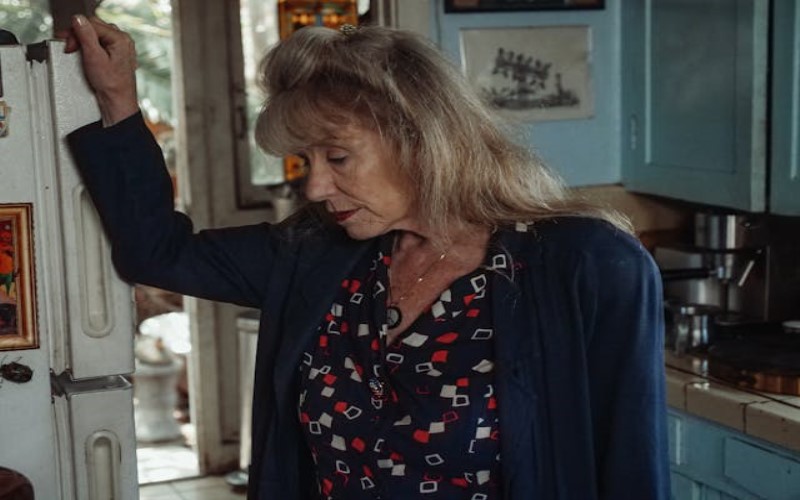
Caring for a person with dementia is an emotional journey. You cannot entirely prepare for it. However, with the proper tools, support, and approach, you can make this journey worthwhile and manageable. Dementia is not just about memory loss; it is about a whole new way of communicating, connecting, and caring.
The Power of Patience
Patience becomes your superpower when someone you love starts to forget things. They may ask questions again or forget what they were talking about mid-conversation. Could you not rush to fix them? Stay calm? Be warm in your voice as you speak slowly. Remember, they are not doing this on purpose. It is the condition, not them.
It will happen. There will be moments of frustration. That is natural. Take a deep breath. Step away if needed. Words do not always need to be said.
Routines Bring Comfort
Dementia thrives on unpredictability. To counter it, stick to a routine. Wake up, eat meals, and go to bed around the same time daily. Routines give structure to their day and help reduce confusion.
It’s okay if the day doesn’t always go as planned. Life happens. But having a general framework can make everyone feel more grounded. Engage them in simple activities. Maybe they enjoy folding laundry, watering plants, or listening to old songs. These small tasks give a sense of purpose.
Learn to Listen Differently
Conversations with someone with dementia may not always follow a straight line. They might jump from topic to topic or forget what they were saying altogether. Instead of correcting them, follow their lead. If they mention an event that never happened, don’t argue. Meet them where they are.
Validation matters more than facts. If they’re upset about something, acknowledge their feelings. A simple “I understand” or “That sounds frustrating” goes a long way.
Pay attention to non-verbal cues, too. A furrowed brow or a restless hand can tell you they’re uncomfortable or need something.
Caring for Their Emotional Well-being
Dementia can be isolating. Many people with this condition feel misunderstood. It’s crucial to remind them they’re not alone. Show love through touch—a gentle hand on theirs, a hug, or a kiss on the forehead. These moments of connection help bridge the gap words might leave.
Music is another powerful tool. Old songs can spark memories and soothe anxiety. Play tunes they used to love. Watch how their face lights up when they recognize a melody.
Celebrate small victories. Maybe they remembered your name today. Or smiled when they saw you. These moments, however fleeting, are worth cherishing.
Don’t Do It Alone
Being a caregiver is tough. It’s okay to admit you need help. Lean on friends, family, or community groups. Share your challenges. People often want to help but don’t know how.
Consider professional support when it feels overwhelming. A specialized memory care service can provide guidance and relief. These services understand the unique needs of those with dementia. They offer both practical tools and emotional reassurance for caregivers like you.
Support groups are another lifeline. Connecting with others who’ve walked this path reminds you you’re not alone. Their advice, understanding, and shared experiences can be a source of comfort.
Taking Care of Yourself
You can’t pour from an empty cup. Caring for someone with dementia is demanding. Without looking after yourself, burnout is inevitable. Find time for activities that bring you joy. Read a book, take a walk, or call a friend. Even ten minutes of “you” time can recharge your spirit.
Rest is non-negotiable. If you’re not sleeping well, your patience and energy will dwindle. Ask for help if you need a break. Many respite care programs allow you to step away while ensuring your loved one is safe and cared for. Remember, it’s okay to feel overwhelmed. You’re human. Talking to a counselor or therapist can help lighten the emotional load.
Remember the Person, Not Just the Disease
Dementia may change a person, but it doesn’t erase who they are. Hold on to the memories of who they’ve been—their laugh, their quirks, their stories. Those moments are still a part of them, even if they’re harder to access now. Look for glimpses of their true self. A familiar phrase. A shared smile. A moment of recognition. These are treasures in a world that often feels uncertain.
Conclusion
Caring for someone with dementia is one of life’s most challenging roles. But it’s also deeply rewarding. You’re giving them love, dignity, and respect when they need it most.
This journey isn’t about fixing or curing. It’s about showing up, day after day, with an open heart. And in doing so, you create moments of connection that will stay with you forever.
