
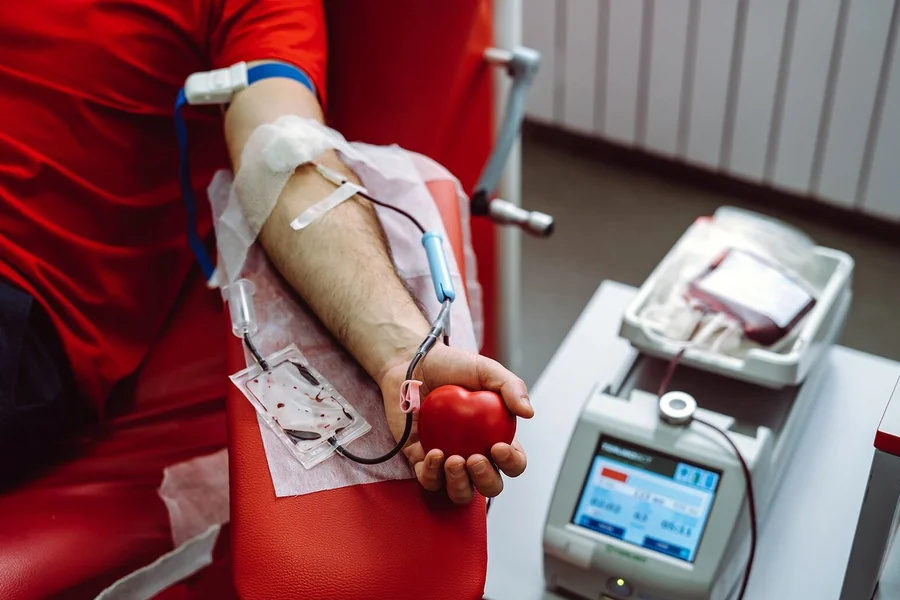
Plasma donation is a meaningful way to support patients who rely on plasma-based therapies for serious medical conditions. While many people are eager to donate regularly, understanding how often can you donate plasma safely is essential for protecting your own health while continuing to help others. Donation centers follow strict medical guidelines to ensure that donors remain healthy and that plasma collected is of the highest quality for medical use.
Unlike whole blood donation, plasma donation uses a process called apheresis, where plasma is separated from other blood components and the remaining blood is returned to the donor. Because of this process, the body can recover plasma volume more quickly than it can replace whole blood. However, this does not mean donors can give plasma without limits. Health regulations are in place to determine safe donation frequency based on how the body regenerates plasma proteins, fluids, and nutrients.
Understanding the Recommended Donation Frequency
Medical professionals and regulatory agencies have established clear rules regarding how often can you donate plasma safely. In the United States, donors are generally allowed to donate plasma up to twice within a seven-day period, with at least one full day between donations. This schedule is designed to allow the body enough time to restore lost plasma while maintaining stable protein and hydration levels.
The reason for this guideline lies in how quickly the body replenishes plasma. Plasma is made mostly of water, proteins, and essential nutrients that are restored through proper hydration and nutrition. While fluids can be replaced within hours, plasma proteins such as albumin and immunoglobulins take longer to return to normal levels. Spacing out donations helps prevent fatigue, dizziness, and other side effects that may occur when the body is not fully recovered.
Donation centers carefully track each donor’s visit to ensure compliance with these rules. This monitoring prevents individuals from donating too frequently and protects them from overexertion. Understanding how often can you donate plasma safely helps donors plan their schedules responsibly and maintain long-term eligibility.
Factors That Affect Individual Donation Limits
Although general guidelines exist, individual health factors also influence how often can you donate plasma safely. Age, weight, overall health, hydration levels, and diet all play roles in how quickly the body recovers after donation. Donation centers perform health screenings before each session to confirm that donors meet the necessary requirements.
Protein levels are especially important. If a donor’s protein count falls below acceptable levels, they may be temporarily deferred from donating until levels return to normal. This precaution ensures that frequent donation does not compromise immune function or overall wellness. Staying well-nourished with a balanced diet rich in protein can support faster recovery between donations.
Hydration is another critical factor. Plasma consists largely of water, so donors who are dehydrated may experience longer recovery times or feel unwell after donating. Drinking plenty of fluids before and after each session helps maintain comfort and speeds up the body’s ability to restore plasma volume.
Lifestyle habits also matter. Adequate sleep, avoiding alcohol before donation, and maintaining general wellness contribute to a safer and more comfortable experience. By paying attention to these factors, donors can remain within safe limits and continue donating consistently.
Why Donation Centers Enforce Strict Health Screenings
Donation centers prioritize donor safety above all else. Each time you visit, staff members check vital signs, hemoglobin levels, and overall health status. These screenings are part of the process that determines how often can you donate plasma safely without putting stress on your body.
If any irregularities are detected, such as low blood pressure, poor hydration, or signs of fatigue, you may be asked to postpone donation. These temporary deferrals are not punishments but protective measures designed to safeguard your health. The goal is to ensure that donors remain strong and capable of continuing to donate in the future.
Screenings also help maintain the quality of the plasma collected. Healthy donors produce plasma that meets medical standards for use in life-saving therapies. This dual focus on donor health and plasma quality highlights why strict guidelines are necessary and beneficial for everyone involved.
Supporting Your Body Between Donations
Knowing how often can you donate plasma safely is only part of the equation. Supporting your body between donations is equally important. Eating protein-rich meals, staying hydrated, and getting proper rest help the body regenerate plasma efficiently. Some donors find that establishing a routine around their donation schedule makes recovery easier and more predictable.
Paying attention to how you feel after each donation can also guide you. If you experience unusual fatigue or discomfort, allowing extra time before your next session can help your body recover fully. Listening to your body ensures that plasma donation remains a positive experience rather than a strain.
Understanding and following health guidelines makes it possible to donate regularly without compromising well-being. By respecting recommended limits and caring for your body, you can continue contributing to a process that supports countless patients while maintaining your own health and comfort.
