
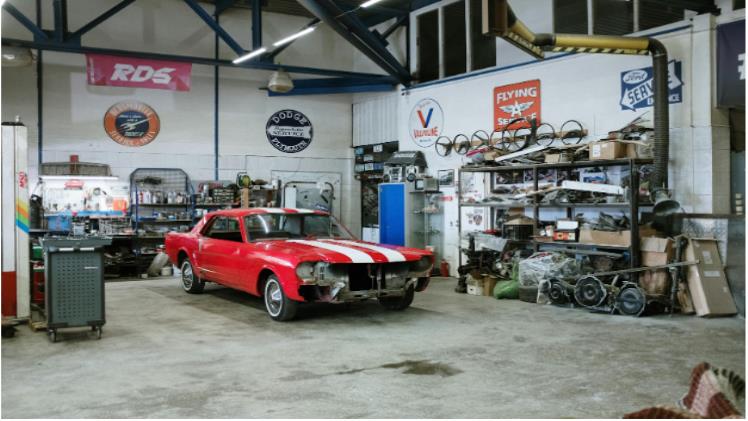
In the world of car maintenance and repairs, there are two main avenues to consider: the do-it-yourself (DIY) approach or seeking the expertise of a professional auto mechanic. Each option has its merits and considerations, and it is crucial to understand when to take your car to a mechanic and when you can confidently tackle the repairs yourself. This article aims to explore the factors that influence this decision-making process. We will delve into the complexity of car repairs, the importance of proper tools and equipment, the identification of complicated or specialized repairs, and the benefits of professional auto services. Additionally, we will discuss the cost implications and safety considerations and ultimately help you make informed decisions on how to best care for your vehicle. Whether you’re a seasoned DIY enthusiast or someone new to the world of car repairs, this article will provide valuable insights into DIY and when to visit a mechanic shop.
1. Introduction: Understanding the DIY Approach and Professional Auto Services
You have two options for car repairs: the do-it-yourself (DIY) approach or seeking professional auto services. Each choice has its own set of advantages and limitations. Let’s dive into the pros and cons of DIY car repairs and the benefits of going to a professional mechanic.
1.1 DIY Car Repairs: Pros and Cons
DIY car repairs can be a rewarding experience. You are satisfied with fixing the issue and saving some bucks. Additionally, you can work at your own pace and choose the parts you prefer. However, it’s essential to recognize that DIY repairs require time, effort, and a certain level of expertise. Mistakes can be costly and lead to additional damage or safety hazards. So, DIYers should carefully assess their skills and the complexity of the repair before grabbing the wrench.
1.2 Professional Auto Services: Advantages and Limitations
Taking your car to a repair shop has its perks. These experts have years of training and experience under their belts, giving them a deep understanding of various car models, problems, and quality service. They have access to specialized tools and diagnostic equipment, enabling them to pinpoint issues accurately. Moreover, professional auto services often come with warranties, providing peace of mind. However, it’s important to consider the cost factor. Professional services can sometimes be pricey, especially for complex repairs. Therefore, it’s crucial to weigh the benefits against your budget.
2. Assessing the Complexity of Car Repairs: When DIY May Be Appropriate
Car repairs can be a hassle and a headache, but assessing their complexity can help you decide whether a DIY approach is appropriate. When it comes to essential car servicing, there are many tasks you can handle on your own with minimum hassle—for instance, changing oil or air filters quickly and easily with the right tools. But it’s usually best to take your car immediately to a reputable mechanic for more complex repairs, such as replacing a transmission or an engine. However, don’t be afraid to get your hands dirty and try DIY repairs! Ensure you have the knowledge and the tools to do the job right. Remember, a little effort can go a long way regarding car repairs.
2.1 Basic Maintenance Tasks Suitable for DIY
Simple maintenance tasks like changing the oil, air filters, or windshield wipers are well within the capabilities of most car owners. These routine procedures usually include detailed instructions in the car’s manual or online resources. With little research and the right tools, you can confidently handle these tasks independently.
2.2 Identifying Repairs Within Your Skill Level
If you have some mechanical know-how and are comfortable working with tools, you can tackle more intermediate repairs. Examples include replacing brake pads, changing a battery, or swapping out a faulty alternator. However, it’s crucial to assess your skill level accurately and only bite off what you can chew. If in doubt, it’s better to seek professional assistance.
2.3 Understanding the Risks of DIY for Complex Repairs
It’s often wiser to leave it to the professionals when it comes to complex repairs involving intricate systems, such as transmissions, suspensions, or electrical components. These repairs require specialized knowledge, tools, and sometimes even computer diagnostics. Attempting them without the necessary expertise can lead to further damage and frustration.
3. The Importance of Proper Tools and Equipment in Auto Repair
Auto repair is always challenging, especially when getting your beloved car serviced. When fixing your car, having the right tools and equipment is essential to get the job done. A good mechanic always has a well-equipped toolkit to help them with anything from changing the oil to replacing brake pads. This helps them do the job efficiently and guarantees that the repairs are done correctly. However, having realistic expectations as a car owner is equally essential. The right tools can only do so much, and it’s essential to understand that some repairs may take longer. So, the next time you’re dealing with a car repair, make sure you choose the right mechanic for the job and have realistic expectations of the time and resources required for a successful repair.
3.1 Essential Tools for Basic Car Maintenance
For basic car maintenance tasks, you’ll need common tools such as a wrench, socket set, pliers, screwdrivers, and a jack for lifting the car. These tools can be relatively affordable and are often found in most households. However, it’s important to ensure they are of good quality to avoid mishaps during the repair process.
3.2 Specialized Tools Required for Advanced Repairs
Advanced repairs may require specialized tools like torque wrenches, diagnostic scanners, or engine compression testers. These tools may be limited in your garage and can be expensive. Suppose you only plan to use them occasionally. In that case, having a professional mechanic perform the repair might be more cost-effective, as they already have the necessary tools.
3.3 Evaluating Cost and Accessibility of Tools
Before embarking on a DIY repair, consider the cost and accessibility of the required tools. Calculate whether purchasing or renting the tools would be more economical than seeking professional assistance. Additionally, assess whether you have the space to store these tools and if you’ll have future use for them.
4. When to Call a Professional Mechanic: Identifying Complicated or Specialized Repairs
Cars are like pets – they need care, attention, and often require the help of a professional. While you can and should tackle small repairs, knowing when to call in a professional is key. If your car’s issue is not something you can easily find the solution to in your owner’s manual or requires specialized knowledge, it’s best to take it to a mechanic. Additionally, if it’s time for scheduled services like an oil change or tire rotation, it’s important to take your car to a professional who can assess it thoroughly. Just remember, communication is key. Be sure to communicate your car’s symptoms and concerns to your mechanic so they can address the issue effectively. By trusting in a professional mechanic, you can rest assured that your car is in good hands and will be back on the road in no time!
4.1 Recognizing Repairs Beyond DIY Capabilities
If you encounter a repair that exceeds your skill level, don’t hesitate to seek professional help and communicate properly with them. Attempting complex repairs without the necessary expertise can lead to costly mistakes and potential safety hazards. It’s better to admit when something is beyond your capabilities and let the experts handle it.
4.2 Dealing with Complex Electrical Systems or Computer Diagnostics
Modern cars often boast complex electrical systems and computer diagnostics, requiring specialized knowledge and equipment. If you’re facing issues related to these areas, it’s best to consult a professional mechanic with expertise to diagnose and fix the problem accurately.
4.3 Dealing with Specialized Repairs (e.g., Transmission, Suspension)
Certain repairs, such as those involving transmissions, suspensions, or other specialized components, are best left to professionals. These repairs often require specific technical knowledge and access to specialized tools to ensure the job is done correctly. Instead of risking further damage, it’s wise to entrust these repairs to experienced mechanics.
Remember, whether you choose the DIY approach or professional assistance, prioritize your safety and the well-being of your vehicle. Assess your skills honestly, seek guidance and set realistic expectations when needed, and don’t be afraid to call in the experts when the repair is beyond your comfort zone. Always have regular maintenance. Happy repairing!
5. The Benefits of Professional Auto Services: Expertise, Efficiency, and Warranties
5.1 Leveraging the Knowledge and Experience of Certified Mechanics
When it comes to fixing your car, professional auto mechanics have an edge that DIY enthusiasts can’t match – their expertise. Certified mechanics have undergone extensive training and have years of hands-on experience working on various vehicles. They know the ins and outs of car repairs, making it easier for them to diagnose and fix issues accurately.
While you might be able to watch a few YouTube tutorials and read up on car repair manuals, there’s nothing quite like the knowledge that comes from years of experience. By taking your car to a professional, you can tap into their knowledge and ensure it is in capable hands.
5.2 Ensuring Timely and Efficient Repairs
Let’s face it – when your car breaks down, you want it back on the road as soon as possible. Professional auto services offer a level of efficiency that DIY repairs often lack. With access to specialized tools, diagnostic equipment, and a well-equipped shop, mechanics can diagnose and fix issues in a fraction of the time it might take an amateur.
Additionally, professional auto repair shops have relationships with suppliers, allowing them to source parts quickly and efficiently. This eliminates spending hours searching for the right part at the best price, saving you time and hassle.
5.3 Understanding Warranties and Guarantees for Professional Services
One of the significant advantages of seeking professional auto services is the peace of mind that comes with warranties and guarantees. Reputable repair shops stand by their work and often offer warranties on parts and labor. This means that if something goes wrong after the repair, they will fix it at no additional cost.
Having this assurance can save you from potential headaches and unexpected expenses. While DIY repairs may seem cost-effective initially, they don’t come with the same level of guarantee as professional services, leaving you solely responsible for any future issues that may arise.
6. Balancing Cost and Quality: Comparing DIY Expenses with Professional Service Costs
6.1 Determining the True Cost of DIY Repairs
DIY repairs can seem like a great money-saving option, but it’s essential to consider the true cost. While you may save on labor costs, you must invest in tools, equipment, and potentially specialized software or diagnostic tools. These expenses can quickly add up and may not be worth it for occasional repairs or if you lack the necessary skills.
Moreover, there’s the risk of making mistakes in the repair process. A small oversight or incorrect installation can lead to more significant problems down the road, resulting in higher repair costs. It’s vital to evaluate your capabilities realistically and weigh the potential cost of errors.
6.2 Analyzing the Price of Professional Auto Services
Professional auto services may seem more expensive upfront, but they often provide better value in the long run. Mechanic rates may vary, but their expertise, efficiency, and access to quality parts can help ensure that repairs are done correctly the first time. By preventing costly mistakes and future issues, professional services can save you money in the long term.
Additionally, reputable repair shops often have established relationships with suppliers, allowing them to negotiate better prices on parts. They can pass these savings onto you, reducing the overall cost of the repair.
6.3 Weighing Cost vs. Quality and the Value of Time
When deciding between DIY repairs and professional services, it’s crucial to consider the value of your time. DIY repairs can be time-consuming, especially if unfamiliar with the task. Your time is valuable, and spending hours on a repair might not be the most efficient use.
Professional auto services offer convenience and allow you to focus on other aspects of your life while leaving the repairs to the experts. If your schedule is already packed or you simply don’t enjoy tinkering with cars, paying for professional services can be a worthwhile investment.
7. Safety Considerations: Evaluating the Risks of DIY Auto Repairs
If you love to get their hands dirty and tinker with your car, DIY auto repairs is a fun idea. However, before you start, evaluating the risks is important. Without proper knowledge or experience, a simple repair could lead to bigger issues. It’s always a good idea to research by checking online reviews to see what others have done in your situation beforehand. With the help of online resources and a bit of caution, you can turn DIY auto repairs into a rewarding and enjoyable experience.
7.1 Safety Precautions and Training for DIY Repairs
While attempting DIY repairs can be tempting, it’s essential to consider safety precautions. Working on cars involves dealing with heavy machinery, electrical systems, and toxic substances. With proper training and precautions, you can avoid injury.
Professional mechanics undergo training to ensure they are aware of the potential hazards and know how to work safely. They have the necessary tools, equipment, and knowledge to handle repairs without endangering themselves or others. By leaving the repairs to the professionals, you can avoid potential accidents and injuries that DIY repairs might expose you to.
In conclusion, deciding whether to take your car to a professional auto mechanic or tackle the repairs yourself requires careful consideration. While DIY can be cost-effective and empowering, it is essential to assess the complexity of the repairs and have the necessary tools and expertise. Professional auto services offer the advantages of specialized knowledge, efficiency, and warranties, ensuring quality workmanship. By weighing the costs, evaluating safety risks, and understanding your capabilities, you can make informed decisions that prioritize your vehicle’s well-being and your peace of mind. Finding the right balance between DIY and professional services will help you maintain a reliable and well-maintained vehicle for years.
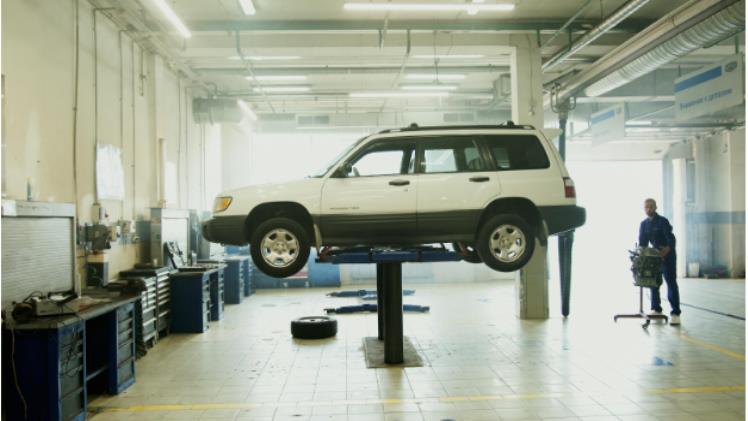
FAQ
1. Is it always cheaper to do car repairs myself?
Not necessarily. While DIY repairs can save you money on labor costs, it’s important to consider the cost of tools, equipment, and potential mistakes that may lead to further damage. Additionally, some complex repairs require specialized knowledge, making entrusting them to a professional mechanic more cost-effective.
2. Are there any repairs I should never attempt to do myself?
Yes, certain repairs are best left to professional mechanics. Examples include complex electrical work, computer diagnostics, or specialized repairs such as transmission or suspension repairs. These repairs often require extensive knowledge, specialized tools, and experience to ensure they are done correctly and safely.
3. How do I know if a repair is within my DIY capabilities?
Assessing your DIY capabilities involves considering your experience, knowledge, and comfort level with car repairs. Start with simple maintenance tasks, such as changing the oil or replacing air filters. You can gradually tackle more complex repairs as you gain confidence and expand your skills. However, always be realistic about your abilities and don’t hesitate to seek professional help.
Autobiography
Eric Reyes is a passionate thought leader having been featured in 50 distinguished online and offline platforms. His passion and knowledge in Finance and Business made him a sought-after contributor providing valuable insights to his readers. You can find him reading a book and discussing current events in his spare time.
