

The discourse surrounding the notion of workplace wellness has significantly increased in recent years compared to previous years. Given the mental and physical issues that have developed as a result of months of working alone from home due to the epidemic, it is not surprising that there are a growing number of discussions concerning wellbeing. More deliberation has been devoted to future strategies for enhancing the well-being and welfare of employees. The wellness trend, which concentrates on the impact of the work environment on the health and well-being of employees, remains consistent despite the cyclical nature of office trends. In light of the preceding, the objective of this article is to examine the methods by which ergonomic office furniture can be utilized and other factors to promote workplace health and well-being.
Benefits of Different Ergonomic Office Furniture to the Employee’s Wellbeing
Height-Adjustable Workstations
Perhaps unknown to you, prolonged seating can exacerbate feelings of stress and anxiety. Sedentary behavior can substantially influence an individual’s mood, and immobilization for six to ten hours can induce mental fatigue in all individuals. Moreover, it is recognized for its association with numerous physical health complications, such as obesity, cardiovascular disease, and type 2 diabetes, among others. Height-adjustable desks are, therefore, an ideal complement to the modern office environment. Engaging in a standing position during work not only yields health benefits but also elevates one’s mood by providing sustained energy and attention to the current task.
Ergonomic Chairs
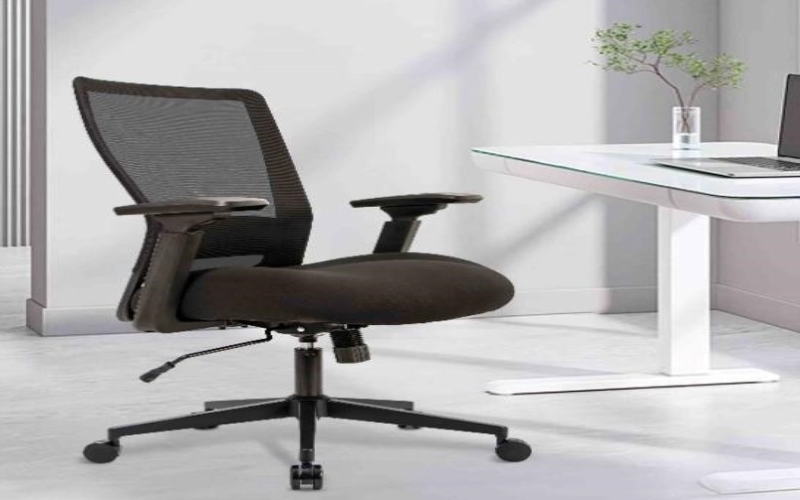
The comfort and productivity of employees, in addition to the efficiency and productivity of the organization, are determinants of their well-being after an extended workday. Poorly constructed chairs have the potential to induce back injuries. The potential for a minor injury to progress into a more severe condition after extended use exists, potentially requiring a substantial duration of absence from work. One potential strategy for averting recurring incidents of this nature is to select entirely adjustable furniture, thereby accommodating the diverse seating needs of personnel and ensuring their continued comfort. An Ergonomic Chair provides advantageous consequences not only for an individual’s physical well-being but also for their mental sustainability. Employees are inclined to endure prolonged periods of sitting at their workstations despite discomfort.
Add Breakout Spaces
It is implausible to expect employees to sustain motivation and concentration for the duration of the workday, five days a week, while seated at a single workstation; such an expectation would be detrimental to their physical well-being. To foster a supportive work environment, an organization must prioritize the well-being of each team member. This objective can be achieved by furnishing an office space with diverse environments that can accommodate the unique needs of different personnel. Work completion is not necessarily proportional to the quantity of time spent at the desk. A positive correlation has been observed between the provision of breakout spaces for employees and their level of comfort, which subsequently may result in heightened productivity during what percentage of employees witnessed harassment at work. The provision of a breakout space not only fosters cooperation among employees but also improves their ability to communicate with each other, thereby contributing to the overall quality of the work produced.
Final Thoughts
A demonstration of the organization’s regard for the health and well-being of team members and the establishment of a commitment to them can be achieved through the purchase of ergonomic office furniture such as desks and chairs and installing breakout spaces. Optimizing health and welfare by implementing ergonomic furniture and reassessing office layouts are factors that contribute to the prosperity of an organization, as they foster heightened levels of work output and quality.
