
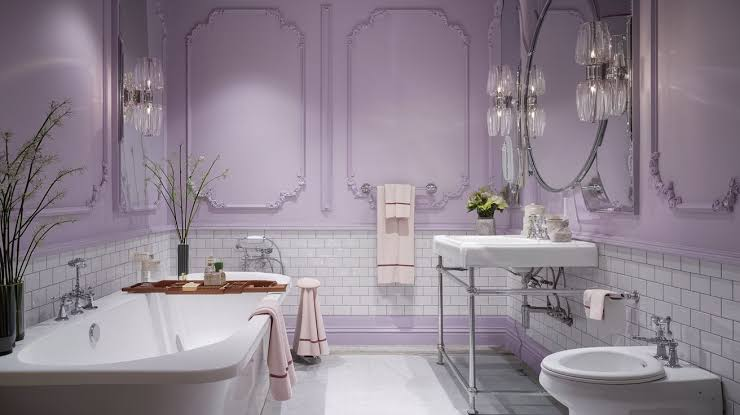
My bathroom was functional, but it never felt relaxing. The room was small, natural light was limited, and the single cool-white ceiling light made every surface look stark. Instead of creating a calm space for starting and ending the day, the lighting made the bathroom feel more compact and clinical.
I initially thought the solution was to install brighter bathroom lights. However, I soon realised that brightness was only part of the problem. The colour of the light, its placement and the way different sources worked together had a much greater effect on the atmosphere.
Start with the Mood
Before selecting fittings, I decided how I wanted the bathroom to feel. A spa-like space needed to appear warm, calm and comfortable, but it still had to support grooming, cleaning and everyday routines.
Very cool light made the room look bright, yet it also exaggerated hard surfaces and created a sterile appearance. Extremely warm light felt relaxing but did not give me the clarity I needed near the mirror.
I therefore stopped searching for one colour temperature that could perform every role. Instead, I planned different lighting layers for different activities.
This approach reflects a broader shift in residential lighting: good bathroom design is no longer only about visibility. It must also support comfort, atmosphere and adaptable use.
Soften the Ceiling Light
The main ceiling source determined the overall character of the room. My old fixture produced a harsh, concentrated patch of light that made the ceiling appear lower and left the corners dull.
I replaced that effect with evenly distributed Wipro bathroom ceiling lights. Wipro’s ceiling-light range includes slim LED panels and downlights that can provide broad general illumination without adding visual bulk to a compact room.
A neutral or gently warm tone made the bathroom feel more welcoming than a very cool white. It softened the appearance of pale tiles and prevented the room from looking washed out.
Warm the Relaxing Zones
I wanted the bathroom to feel calmer during an evening shower, so I introduced warmer light around the areas used for relaxation.
Warm white illumination created a softer glow on the walls and made wood-effect finishes and neutral tiles appear richer. It also reduced the clinical feeling created by relying entirely on bright overhead lighting.
However, I did not use warm light at maximum brightness across the entire room. In a small bathroom, excessive yellow light can make pale surfaces look dull. I used it selectively as an ambient layer and kept the general ceiling lighting balanced.
Wipro’s Garnet Colour Changing Panel offered a practical way to alter the lighting character rather than permanently committing the room to one setting. Its colour-changing capability allowed me to choose clearer illumination during routine tasks and a softer setting when I wanted to unwind.
Clarify the Mirror Area
The mirror required a different treatment. Light coming only from above created shadows beneath my eyes, nose and chin, which made grooming more difficult.
I added bathroom wall lights close to the mirror so that illumination reached my face more evenly. Wipro wall-light options provide decorative and functional illumination that can complement the main ceiling layer.
For this zone, I preferred a neutral white appearance rather than very warm light. It helped me see skin tones and details more clearly without making the area feel as harsh as a strongly cool source.
Balance Every Surface
The colour of light changed depending on the materials it touched. My glossy tiles reflected more illumination, while the darker floor and cabinet finish absorbed it.
Warm light brought out beige and wood tones, whereas neutral light kept white and grey surfaces looking cleaner. I tested the lighting against the actual tiles, mirror and countertop before finalising the arrangement.
This prevented an attractive light colour in the showroom from producing an unexpected result at home.
I also avoided creating a strong colour mismatch between the bathroom ceiling lights and the bathroom wall lights. When one source appeared very warm, and another looked noticeably blue, the bathroom felt fragmented rather than luxurious.
The final combination was coordinated rather than identical: a softly neutral ceiling layer, clearer mirror lighting and warmer ambient illumination for relaxation.
Use Layers, Not Intensity
Increasing brightness everywhere would have made the small room feel flatter. Layering created depth without overcrowding it.
Ambient Light
Wipro ceiling lights provided the primary illumination needed for safe movement and general visibility.
Task Light
The mirror lighting gave me clearer illumination for grooming without requiring the whole bathroom to become excessively bright.
Accent Light
A softer wall or colour-changing layer created warmth and highlighted selected surfaces.
Keep Safety Central
A spa-like atmosphere should never come at the cost of safety. Bathrooms contain moisture, splashes and wet surfaces, so fittings must be chosen for their specific installation zones.
I asked a qualified electrician to assess the placement of every ceiling and wall fitting. I also checked the current specifications of each Wipro product before installation rather than assuming that every decorative light was suitable for every bathroom location.
This planning was especially important near the shower and washbasin, where exposure to moisture could be greater.
Let Light Create the Sense of Luxury
My small bathroom began to feel luxurious only when I stopped treating light colour as a decorative afterthought.
Balanced Wipro bathroom ceiling lights made the space feel open, neutral mirror lighting improved everyday visibility, and warmer bathroom wall lights introduced the calm atmosphere I had been missing. Instead of depending on one harsh source, I used coordinated layers that responded to different parts of my routine.
The result was not simply a brighter bathroom. It was a more comfortable, adaptable space where thoughtful light colour made even a compact room feel like a private spa.
