
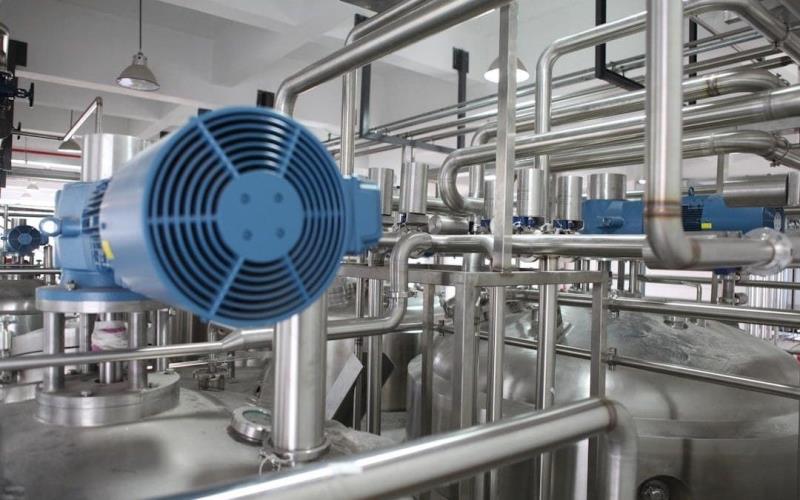
Heating, ventilation, and air conditioning (HVAC) systems are essential for maintaining comfortable indoor environments in homes, offices, and commercial spaces. These systems rely on a variety of HVAC parts and supplies to function efficiently, and understanding their roles can help property owners, technicians, and contractors ensure long-term performance and energy savings.
The Importance of Quality HVAC Parts and Supplies
A well-maintained HVAC system provides better air quality, reduces energy costs, and extends the lifespan of heating and cooling equipment. High-quality HVAC parts and supplies play a significant role in ensuring that these systems function optimally, preventing breakdowns and costly repairs. Whether performing routine maintenance or replacing critical components, using the right parts is essential to keep an HVAC system running smoothly.
Key HVAC Components and Their Functions
Understanding the essential components of an HVAC system helps in making informed decisions when purchasing replacement parts and supplies.
1. Air Filters
Air filters trap dust, pollen, and other airborne particles, preventing them from circulating through the HVAC system. Regularly replacing air filters improves air quality and enhances system efficiency.
2. Thermostats
Thermostats control the temperature settings of HVAC systems. Smart thermostats offer programmable features that help optimize energy use, providing comfort while reducing utility bills.
3. Compressors
The compressor is the heart of an HVAC system, responsible for pressurizing and circulating refrigerant to cool or heat the indoor air. A malfunctioning compressor can significantly impact the system’s performance.
4. Evaporator and Condenser Coils
These coils facilitate heat exchange in air conditioning and heat pump systems. Keeping them clean and well-maintained ensures efficient temperature regulation and prevents system strain.
5. Blower Motors and Fans
Blower motors and fans distribute conditioned air throughout a building. Proper airflow is crucial for maintaining a consistent indoor temperature and ensuring even heating or cooling.
6. Capacitors and Contactors
Capacitors provide the necessary electrical boost for motors to start and run efficiently, while contactors control the flow of electricity to various components. Faulty capacitors or contactors can cause system failures.
7. Refrigerants
Refrigerants absorb and release heat, playing a key role in cooling and heating processes. As environmental regulations evolve, using eco-friendly refrigerants has become a priority for many HVAC professionals.
Choosing the Right HVAC Parts and Supplies
Selecting the right HVAC parts and supplies can be challenging due to the variety of options available. Here are some factors to consider:
- Compatibility: Ensure that replacement parts are compatible with the existing system model and specifications.
- Quality and Durability: Investing in high-quality parts reduces the likelihood of frequent repairs and improves system longevity.
- Energy Efficiency: Opt for energy-efficient components that comply with industry standards and regulations.
- Brand Reputation: Trusted brands often provide reliable warranties and customer support for their products.
- Availability: Having access to readily available parts minimizes downtime and ensures quick repairs.
The Role of HVAC Suppliers and Distributors
Reliable HVAC suppliers and distributors provide essential support to contractors, technicians, and property owners by offering a wide selection of HVAC parts and supplies. Many suppliers offer bulk purchasing options, warranties, and expert guidance to help customers make informed choices. Additionally, online HVAC supply stores have made it easier to access parts quickly and efficiently.
Maintenance Tips to Extend the Life of HVAC Systems
Regular maintenance and timely replacement of HVAC components help prevent costly repairs and improve efficiency. Here are some tips:
- Change air filters every 1-3 months to maintain good air quality.
- Clean condenser and evaporator coils to prevent dust buildup.
- Inspect and lubricate blower motors and fans to ensure smooth operation.
- Check refrigerant levels and fix any leaks to optimize performance.
- Upgrade to smart thermostats for better energy management.
- Schedule annual professional inspections to identify potential issues early.
Conclusion
HVAC systems are essential for maintaining indoor comfort, and their performance depends on the quality of HVAC parts and supplies used in their maintenance and repair. Whether you are a homeowner, contractor, or technician, understanding the key components and selecting the right supplies can make a significant difference in efficiency and longevity. By investing in high-quality parts, practicing regular maintenance, and working with reliable suppliers, you can ensure your HVAC system runs smoothly for years to come.
