
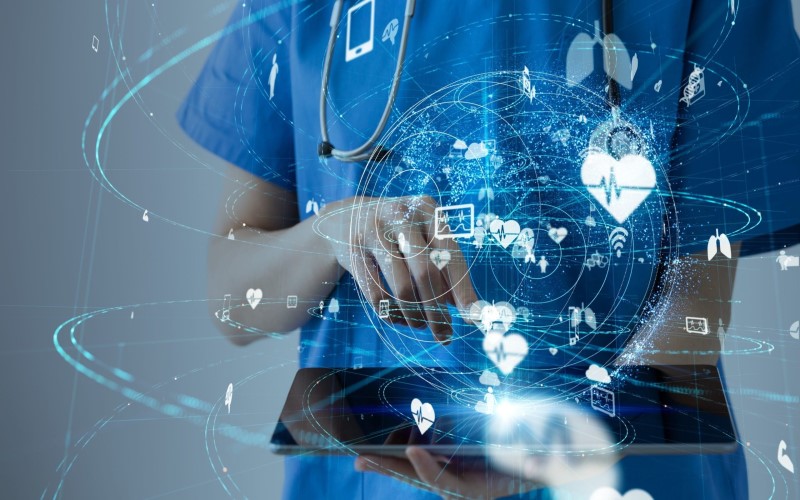
Healthcare software development is transforming how medical services are delivered and managed. With rapid advancements in technology, the industry is embracing innovative solutions to improve patient care, streamline operations, and ensure data security. From telemedicine platforms to AI-powered diagnostics, these tools are reshaping the future of healthcare.
As emerging technologies continue to evolve, understanding the best practices in software development becomes essential. Developers and healthcare providers must navigate challenges like compliance, user experience, and scalability to create effective and reliable solutions. Staying ahead in this dynamic field requires a blend of technical expertise and industry insight.
Why Healthcare Software Development Is Crucial for Modern Medical Services
Healthcare Software Development plays a fundamental role in enhancing the efficiency and quality of modern medical services. Advanced software systems improve patient care experiences by enabling personalized treatment plans, real-time data access, and streamlined communication between providers and patients.
This development supports operational efficiency through automation and data management. Facilities reduce administrative overhead and improve resource allocation by adopting electronic health records (EHRs), appointment scheduling systems, and billing solutions. For example, integrated EHR systems minimize manual errors, allowing providers to focus more on patient care.
Accurate diagnostics and early intervention become achievable with healthcare software. Tools, such as AI-powered platforms, analyze patient data to provide predictive insights in disease detection and treatment planning. Incorporating data analytics ensures better clinical outcomes while reducing costs.
Compliance and data security remain integral to healthcare software. Developers implement strict protocols to meet HIPAA and other international healthcare regulations, ensuring patient confidentiality. Secure platforms build patient and provider trust, essential for sustainable digital health practices.
Telemedicine applications drive accessibility for remote and underserved populations. Patients connect with practitioners through virtual consultations, reducing barriers linked to geography or mobility. As a result, widespread adoption of healthcare software solutions enhances inclusivity in medical services.
For effective software adoption, interoperability among systems ensures seamless data exchange across facilities. From public hospitals to private clinics, synchronized health information promotes continuity of care and improves collaborative decision-making.
Telemedicine Advancements: Expanding Access to Virtual Healthcare
Telemedicine has transformed how patients and providers interact, increasing access to healthcare services. It enables virtual consultations, reducing the need for physical visits and overcoming geographic barriers. Patients in rural or underserved areas can connect with specialists, ensuring timely medical attention.
Real-time video consultations, integrated with healthcare software development tools, improve the quality and efficiency of virtual appointments. Features like remote monitoring and electronic prescriptions enhance the continuity of care. For example, wearable devices track vital signs and automatically share data with providers during telemedicine sessions.
Healthcare software development also supports secure telemedicine platforms, ensuring HIPAA-compliant data transmission. Advanced encryption protocols protect video calls, messages, and patient records from unauthorized access. Scalability in these platforms accommodates growing demand, especially in emergency situations or pandemics.
Interoperability between telemedicine systems and EHRs facilitates seamless data exchange, allowing providers to access patient histories instantly. This capability streamlines diagnosis and treatment processes during virtual consultations. Consistent communication between systems enhances decision-making and reduces medical errors.
These advancements highlight the role of telemedicine in expanding virtual care solutions, promoting accessibility, and improving the patient experience. Businesses aiming to adopt telemedicine can rely on robust healthcare software development strategies to build user-friendly, compliant, and efficient platforms that prioritize patient engagement and data security. Visit now to learn how healthcare software development can support your telemedicine initiatives.
AI and Machine Learning in Healthcare: Revolutionizing Diagnostics and Treatment
AI and machine learning applications are transforming healthcare by enhancing diagnostic accuracy and optimizing treatment strategies. These technologies analyze vast datasets, such as electronic health records (EHRs), medical images, and genomic data, to deliver predictive insights. For example, AI-powered diagnostic tools improve early detection of diseases like cancer or diabetic retinopathy, reducing misdiagnosis rates.
Machine learning models personalize treatment plans by identifying the most effective therapies for individual patients. By analyzing past medical histories and current health indicators, these systems recommend tailored interventions. AI also supports real-time decision-making in critical care, using continuous monitoring data to predict complications and guide immediate responses.
Natural language processing (NLP), a subset of AI, streamlines administrative tasks by processing unstructured medical data. It enables automated transcription, coding, and summarization of clinical notes, increasing efficiency. Advanced algorithms facilitate drug discovery by simulating chemical reactions and predicting drug efficacy, accelerating development cycles.
Healthcare software development integrates AI to create seamless user experiences while ensuring compliance. Secure platforms adhere to HIPAA and similar regulations, safeguarding sensitive patient data. These advancements underscore the importance of leveraging AI to revolutionize diagnostics and treatment in modern healthcare systems.
Electronic Health Records (EHR) and Patient Data Management
Electronic Health Records (EHR) systems centralize patient information, enabling efficient data access for healthcare providers. These systems reduce paperwork and improve care coordination by offering a unified storage platform for medical histories, prescriptions, and test results. EHRs support real-time updates, allowing multiple providers to access the most current patient information.
Data management tools enhance interoperability between healthcare software platforms, promoting seamless communication across departments and facilities. For example, Health Level Seven (HL7) standards facilitate secure data exchange between EHR systems and other applications, ensuring consistency and accuracy. Scalable EHR solutions address institutional needs from small clinics to large healthcare networks.
EHR systems must comply with regulatory standards like HIPAA to protect patient privacy. Encryption techniques safeguard sensitive information during storage and transfer, mitigating risks of data breaches. Role-based access controls further enhance security by limiting data visibility to authorized personnel.
Incorporating advanced technologies into EHR systems optimizes patient care. AI-powered tools analyze EHR data to identify patterns, predict health outcomes, and assist in diagnosis. Integration with wearable devices captures remote patient monitoring data, enriching EHRs with real-time health metrics like heart rate or activity levels. This enhances preventive care and post-treatment monitoring.
Efficient EHR and data management strategies streamline administrative tasks for healthcare providers. Automation reduces manual data entry, minimizing errors and saving time. Features like appointment scheduling and electronic billing integrate seamlessly with EHR systems, improving operational efficiency and patient experience.
Cybersecurity in Healthcare Software: Protecting Sensitive Medical Information
Healthcare software development prioritizes cybersecurity to safeguard sensitive patient information. Breaches in medical data not only compromise patient confidentiality but also expose organizations to legal and financial risks. With increasing cyberattacks targeting healthcare systems, developers integrate robust security measures to ensure data integrity and compliance with regulations.
Encryption protocols. Advanced encryption secures data during transmission and storage. End-to-end encryption shields patient records, ensuring unauthorized parties cannot access readable data.
Multi-factor authentication (MFA). MFA strengthens user authentication by requiring multiple verification steps. Healthcare platforms adopt MFA to reduce risks of unauthorized access, safeguarding both patient and provider accounts.
Regular vulnerability assessments. Developers conduct routine security audits to identify and resolve potential weak points. Penetration testing evaluates system defenses against cyber threats, enhancing overall security posture.
Role-based access controls (RBAC). RBAC limits sensitive data access to authorized personnel. Healthcare software integrates RBAC to allocate data permissions based on user roles, reducing exposure to insider threats.
HIPAA and regulatory compliance. Software aligns with standards like HIPAA to protect patient privacy. Compliance features include secure logging, data encryption, and automated audit trails to demonstrate accountability.
Emerging technologies like blockchain also enhance cybersecurity in healthcare. Blockchain secures patient records with immutable data ledgers, providing transparency while preventing tampering. Developers apply these innovations for better security outcomes, aligning with best practices in healthcare software development.
Interoperability Challenges and Solutions in Healthcare IT Systems
Interoperability issues hinder seamless data exchange between healthcare systems. Diverse software platforms, varying data standards, and inconsistent coding methods create compatibility challenges. For example, Electronic Health Record (EHR) systems frequently utilize different formats, leading to data silos and miscommunication among providers. These barriers compromise care quality and delay treatment.
Standardization initiatives address data exchange problems effectively. Adopting frameworks like Fast Healthcare Interoperability Resources (FHIR) facilitates consistent data formats and protocols, enabling integration across systems. For instance, FHIR supports real-time data sharing between EHRs and telemedicine platforms, enhancing clinical decision-making.
API-driven architectures promote interoperability by enabling modular integration. APIs link disparate systems like patient portals, diagnostic tools, and billing services, creating a unified ecosystem. Open APIs, such as those endorsed by leading healthcare institutions, encourage cross-platform communication while ensuring data security.
Data mapping and normalization techniques resolve discrepancies in coding and terminology. Unified medical vocabularies standardize entries such as diagnoses, procedures, and prescriptions across databases, promoting uniform data interpretation. Normalized data ensures compatibility across platforms, streamlining workflows.
Security concerns intensify interoperability challenges. Ensuring compliance with regulations like HIPAA during data exchange is critical. Solutions include end-to-end encryption, tokenization for sensitive data, and secure data transfer protocols. Implementing role-based access controls (RBAC) ensures that only authorized personnel access shared data.
Interoperability testing identifies and mitigates integration issues preemptively. Simulations on diverse systems predict potential failures in data flow or compatibility. Conducting regular evaluations helps healthcare providers maintain seamless communication across their IT infrastructure.
Blockchain technology enhances data integrity in interconnected systems. Blockchain provides immutable records of shared data, minimizing errors and unauthorized modifications during exchange. Its decentralized approach increases transparency and builds trust among healthcare stakeholders.
Implementing the Best Healthcare Software Solutions for 2025
Healthcare software development continues to drive innovation, reshaping the way medical services are delivered and managed. By embracing emerging technologies and adhering to best practices, healthcare organizations can enhance patient outcomes, streamline operations, and ensure data security.
As the industry evolves, collaboration between developers and healthcare providers will be key to addressing challenges and unlocking new opportunities. Prioritizing compliance, scalability, and user-centric design will empower organizations to stay ahead in this dynamic landscape.
The integration of cutting-edge solutions like AI, telemedicine, and advanced EHR systems holds the potential to revolutionize healthcare. By leveraging these tools effectively, stakeholders can create systems that are not only efficient but also transformative for the future of patient care.
