
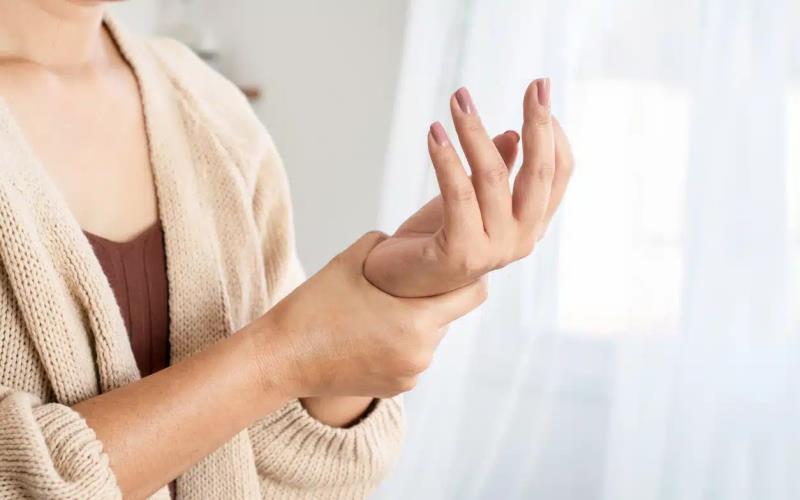
Joint pain that ranges from mild to severe is usually felt in the feet, hands, hips and knees. Severely painful joints can even affect your quality of life. Connect with a seasoned orthopaedic doctor to get accurate diagnosis and treatment.
Joint pain is discomfort that can be felt in the joints throughout the body. Ranging from mild to severe, joint pain may be a symptom of many different health conditions. Notably, the treatment of joint pain varies depending on your condition. If you are also suffering from joint pain, then consult the best orthopaedic doctor in Kolkata, Dr. Buddhadeb Chatterjee.
Read on to learn more about joint pain, its causes and treatment options.
Understanding Joint Pain
A joint is the part of the body where the ends of two or more bones come together. In the absence of cartilage, bones rub against each other as a joint move, leading to joint pain.
Joint pain is common and usually felt in the feet, hands, hips, knees or spine. It may be constant or can come and go, making your joints feel stiff, achy or sore. Further, joint discomfort may affect the function of your joints, limiting your ability to do basic tasks. Severe pain in the joints can also interfere with your quality of life.
What are the Possible Causes of Joint Pain?
The following are the most common causes that can lead to joint pain:
- Osteoarthritis (a common type of arthritis)
- Rheumatoid arthritis (a chronic condition that deforms joints)
- Gout (when acidic crystals from the body collect in joints)
- Bursitis (painful swelling usually around joints)
- Tendinitis (inflammation of tendons that connect a bone and muscles)
Besides, it is to be noted that viral infections, rash, fever or injuries like broken bones and sprain can lead to joint pain.
Risk Factors for Joint Pain
The risk of experiencing joint pain increases in people:
- Having arthritis or any other chronic medical conditions
- Repeatedly using and/or overusing a muscle
- Having previous injuries to a joint
- Suffering from depression, anxiety and/or stress
- Having a body mass index (BMI) of greater than 25
Also, age is a contributing factor in stiff and painful joints. People aged 45 and above may experience discomfort owing to the years of use and wear and tear on their joints.
When to See a Doctor?
While mild joint pain can be taken care of at home, it is essential to visit an orthopaedic doctor if you have:
- Pain accompanied by fever
- Unexplained weight loss
- Pain that is preventing you from walking normally
- Numbness
- Stiff or enlarged joint
- Swelling
- Redness
- Loss of motion
- Noisy joints (clicking, grinding or snapping sounds when moving the joint)
- Tenderness and warmth around the joint
Additionally, immediate medical attention is required when you suffer an injury that makes the joint look out of shape or restricts the joint movement, leading to severe pain and sudden swelling.
Management and Treatment of Joint Pain
While there may not be a cure available for joint pain, it can be easily managed by taking over-the-counter (OTC) medications or performing simple exercises daily. In some cases, prescription medication or surgery (arthroscopy, joint fusion, osteotomy and joint replacement) is required to improve the pain.
Here are some ways to get relief from joint pain:
- At-home remedies like soaking in a warm bathtub or applying a heating pad or ice onto the affected area
- Walking, swimming or low-impact aerobic exercises
- Weight loss
- Medication, such as acetaminophen or nonsteroidal anti-inflammatory drugs (NSAIDs)
- Topical treatments like ointments or gels that can be rubbed onto the affected joint area
- Dietary supplements, including glucosamine
In case the above-listed ways fail to relieve pain, your doctor may suggest supportive aids like a brace, cane or orthotic device to support the joint and allow ease of movement. Not just this, physical or occupational therapy with a balanced fitness programme can gradually help ease pain and improve flexibility.
To summarise, joint pain is often a symptom of medical conditions such as osteoarthritis, gout, bursitis, or tendinitis. It can also occur due to viral infections, fever, or injury. While joint pain may not be completely curable, it can be effectively managed with over-the-counter medications, regular exercise, and proper medical advice. In cases where nerve involvement is suspected, consulting a Top Neurologist in Pune can help ensure comprehensive care and accurate diagnosis for long-term relief.
If you want to gain respite from painful joints, reach out to the best orthopaedic doctor in Kolkata, Dr. Buddhadeb Chatterjee.
