
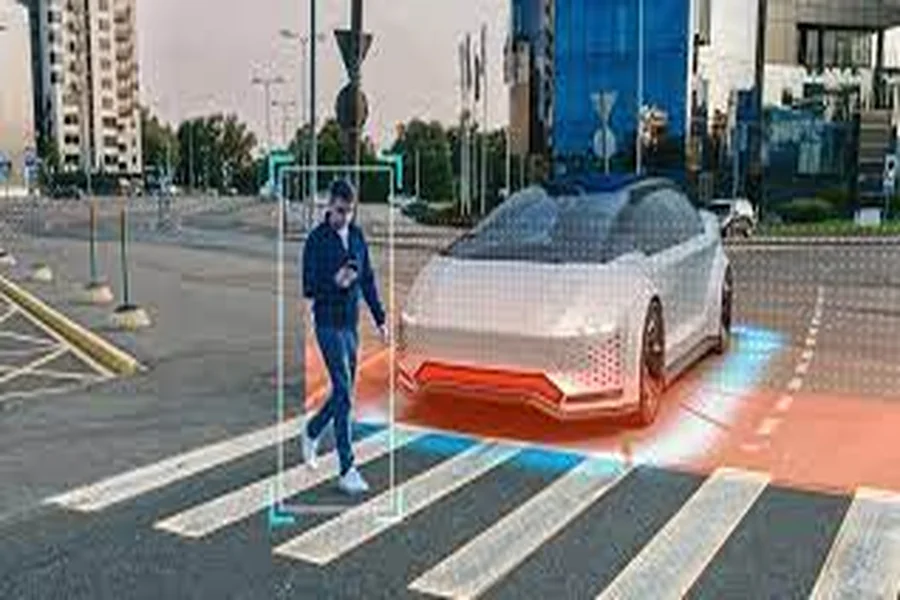
As cities grow and change, pedestrian safety zones become more important. Edge AI technology is helping protect people on the roads by creating smart crosswalks that predict pedestrian movement and provide real-time alerts for both walkers and drivers. This post explores how Edge AI is making cities smarter and safer, ensuring walking is a secure experience for everyone.
What is Edge AI?
Edge AI is a technology that combines artificial intelligence (AI) with edge computing. Instead of sending data to centralized cloud servers, Edge AI processes data locally on devices like cameras, sensors, and vehicles. This allows for quick decision-making, reduces delays, and improves privacy, making it especially useful for urban safety.
How Edge AI Works
Edge AI processes data locally using specialized hardware and algorithms embedded in devices like smartphones, cameras, or sensors. This allows devices to make quick decisions without relying on cloud servers, improving privacy, reducing data transfer, and enhancing efficiency.
This setup has several benefits:
- Reduced Data Transfer: Since only important data (like alerts or flagged clips) is sent to the cloud, there is no need to transfer large volumes of data, saving bandwidth and reducing costs.
- Enhanced Privacy: By processing data locally on devices, sensitive information (like video footage) never leaves the device. This means that personal data stays secure and private, reducing the chances of being exposed or hacked through internet transmission, and lowering the risk of data breaches.
- Faster Response Time: Since the data is processed directly on-site, there’s no need to send it to a cloud server and wait for a response. This reduces delays, enabling faster decision-making and quicker actions, which is especially important in time-sensitive situations.
Edge AI allows devices to be smarter, more efficient, and more responsive. It provides real-time insights and actions while improving privacy and reducing reliance on cloud-based infrastructure.
Edge AI is transforming urban safety by allowing devices to make intelligent, real-time decisions locally. This not only improves security and privacy but also enhances efficiency, making it a key component of smart city systems.
Smart Crosswalks and Pedestrian Movement Detection
Smart crosswalks use artificial intelligence (AI) to make crossing the street safer for pedestrians and help traffic flow better. These crosswalks have cameras and sensors powered by AI that detect when pedestrians are waiting, track how long they’ve been waiting, and watch how they move.
AI then processes this information in real-time to predict when pedestrians will cross and adjust traffic lights to make crossing quicker and smoother.
AI-powered smart crosswalks enhance pedestrian safety by adjusting traffic lights and alerting drivers to stop in time. They also reduce pedestrian wait times, improving traffic flow.
Flashing lights and visual signals raise driver awareness, further boosting safety. Additionally, the data collected helps city planners optimize roads and traffic management. Smart crosswalks make streets safer and more efficient for pedestrians and drivers.
Real-Time Alerts for Drivers and Pedestrians
Edge AI is enhancing urban safety by providing real-time alerts for both drivers and pedestrians. It processes data from devices like cameras, sensors, and vehicle systems to detect potential hazards and immediately send warnings.
For instance, AI cameras can spot pedestrians in a car’s path and alert the driver with visual or sound cues, while sensors help detect pedestrians in blind spots, triggering alarms to warn the driver. This technology also boosts driver awareness in hard-to-see areas, such as blind spots or crowded intersections, which helps prevent accidents.
Additionally, real-time alerts allow drivers and pedestrians to react swiftly to potential dangers, reducing the likelihood of accidents. AI can also adjust traffic signals to enhance pedestrian safety while crossing.
Edge AI processes data on-site to send instant alerts, improving awareness and enabling quicker responses to dangers. This results in safer and more efficient transportation, especially in busy urban environments.
Low-Latency Processing for Quick Decision-Making
Low-latency processing means systems can quickly process data and make decisions with minimal delay. This is important when fast responses are needed, like controlling traffic lights or helping self-driving cars make quick decisions.
In busy cities, traffic and pedestrian activity can change quickly. For example, a pedestrian might suddenly cross the street, or traffic could become congested quickly. Low-latency systems can detect these changes almost instantly. They can quickly adjust traffic lights or alert drivers and pedestrians, helping to prevent accidents and keep traffic moving smoothly.
By reducing delays, low-latency processing helps systems make faster decisions, which is crucial for managing traffic and ensuring pedestrian safety in busy urban environments.
AI-Driven Traffic Management
AI-driven traffic management systems are transforming how cities control traffic. By using real-time data from cameras, sensors, and connected devices, these systems adjust traffic signals to reduce congestion and improve road safety.
AI analyzes traffic patterns, including vehicle and pedestrian movements, to optimize traffic light timings and prevent jams. In case of accidents or blockages, AI quickly responds to clear the issues. This technology helps reduce delays, ease congestion, and enhance safety by making smarter, real-time decisions.
Vehicle-to-Pedestrian (V2P) Communication
Vehicle-to-Pedestrian (V2P) communication is a technology that enables vehicles and pedestrians to exchange real-time information, enhancing safety. It allows vehicles to detect nearby pedestrians and alert drivers, while also notifying pedestrians of approaching vehicles.
This is especially important for vulnerable road users (VRUs) like children, the elderly, and people with disabilities. V2P systems can even detect pedestrians who are hidden from drivers’ view, such as behind obstacles or in blind spots. V2P helps prevent accidents and improves road safety.
In busy pedestrian zones, V2P systems help by:
- Providing real-time alerts about each other’s presence.
- Adjusting traffic signals to prioritize pedestrians.
- Integrating with smart infrastructure, like AI-powered traffic lights, to improve overall safety.
Sustainability and Energy Efficiency
Edge AI processes data directly on local devices, such as sensors and cameras, instead of sending it to remote cloud servers. This reduces energy consumption and speeds up data processing. By keeping the data processing on-site, Edge AI can save up to 65% to 80% more energy compared to traditional cloud-based systems.
Additionally, Edge AI devices use energy-efficient, low-power chips and optimized algorithms, making them even more energy-efficient and sustainable.
Edge AI promotes sustainability in several key ways:
- Reducing Carbon Footprint: Edge AI helps decrease greenhouse gas emissions, supporting climate change mitigation efforts.
- Smarter Urban Systems: Edge AI allows real-time management of city infrastructure, such as traffic lights and power grids, improving efficiency and reducing waste.
- Supporting Renewable Energy: Edge AI optimizes the integration of renewable energy sources, like solar and wind, into urban power systems, improving energy usage and sustainability.
Edge AI improves data processing efficiency while also helping reduce energy usage. By processing data locally on devices, it lowers the need for energy-intensive cloud computing. This makes Edge AI an important tool for promoting sustainability, contributing to smarter, greener urban environments by saving energy and reducing environmental impact.
