
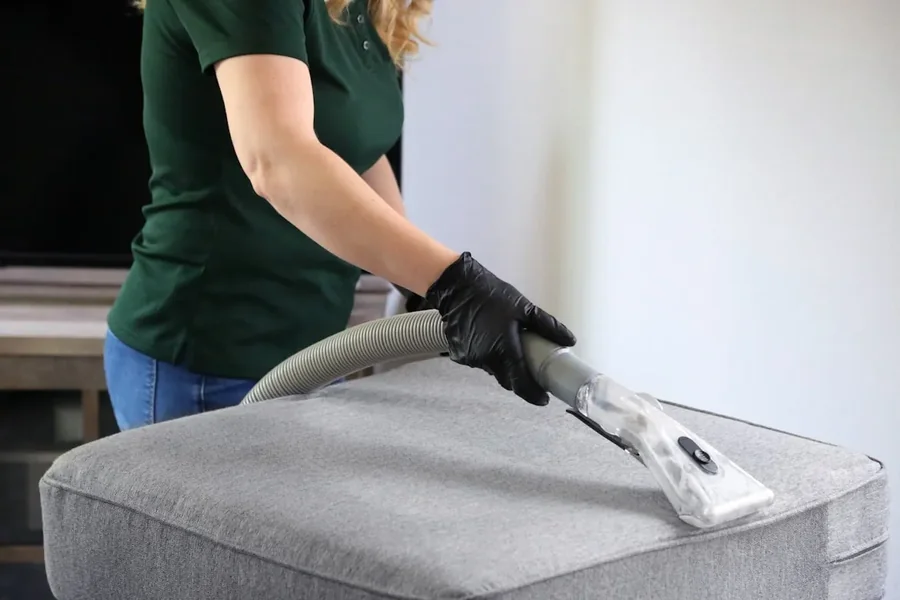
Maintaining the cleanliness of delicate and complex items requires a combination of care, precision, and the right cleaning solutions. From fine jewelry and electronics to intricate antiques and specialty fabrics, improper cleaning methods can lead to damage, discoloration, or functional issues. In this article, we explore effective deep cleaning strategies tailored to fragile and complicated items, emphasizing safety, efficiency, and preservation.
Understanding the Nature of Delicate and Complex Items
Delicate items are characterized by their susceptibility to physical damage, chemical reactions, or environmental factors. For example, silk garments can easily lose their luster if exposed to harsh detergents, while crystal glassware may develop scratches from abrasive cleaning agents. Complex items, on the other hand, include objects with multiple components, intricate mechanisms, or hard-to-reach areas, such as mechanical watches, electronic devices, or multi-layered antique furniture.
The key to cleaning such items lies in recognizing their material composition, structural intricacies, and the potential impact of cleaning agents or techniques. Deep cleaning in this context is not simply about removing visible dirt; it is about preserving the item’s integrity while ensuring thorough sanitation and maintenance.
General Principles for Deep Cleaning Fragile and Complex Items
- Assess Before You Clean
Begin by evaluating the item’s material, age, and any manufacturer recommendations. Identify fragile areas such as glued joints, thin fabrics, or sensitive electronic components. Understanding these characteristics will help you choose the most appropriate cleaning methods.
- Use Gentle and Appropriate Cleaning Agents
Avoid harsh chemicals unless explicitly approved for the material. Mild, pH-neutral detergents, distilled water, or specialized cleaning solutions are often safer for delicate surfaces. For instance, jewelry made of precious metals benefits from a gentle solution of warm water and mild soap, while certain antique woods require wax-based cleaners rather than liquid detergents.
- Employ Soft Tools and Micro-Techniques
Brushes with soft bristles, microfiber cloths, cotton swabs, and air blowers are ideal for cleaning intricate or fragile surfaces. These tools allow you to remove dirt and dust from nooks, crevices, and fine details without causing abrasion or scratches.
- Work Gradually and Mindfully
Rushing through the cleaning process increases the risk of damage. Take time to handle each component carefully, especially when disassembling complex items like watches or electronics. Keep track of small parts and avoid excessive force during cleaning or reassembly.
Cleaning Strategies for Specific Delicate Items
- Jewelry and Watches
Fine jewelry and mechanical watches are susceptible to tarnishing, scratches, and water damage. Soaking items in a mild soap solution, followed by gentle brushing with a soft toothbrush, is effective for removing grime from intricate designs. For watches, avoid submerging mechanical or non-waterproof models; instead, use a damp cloth and compressed air to clean hard-to-reach areas. Professional servicing may be required for deep cleaning internal mechanisms.
- Electronics
Electronics, such as laptops, smartphones, and cameras, require careful attention due to sensitive circuits and screens. Use isopropyl alcohol solutions (70% concentration or less) applied to microfiber cloths to disinfect surfaces safely. Compressed air can remove dust from keyboards and vents, while specialized electronic cleaning brushes help reach tight crevices. Avoid soaking or spraying liquids directly onto devices.
- Antiques and Collectibles
Antique furniture, porcelain, and figurines often have delicate finishes that can be easily damaged. Dust removal with a soft brush is the first step, followed by targeted cleaning using a mild detergent solution and a soft cloth. For wooden items, consider using conservation-grade wax or polish to maintain the surface without altering the original finish. Always test a small, inconspicuous area before applying cleaning agents to the entire item.
- Textiles and Fabrics
Delicate fabrics such as silk, lace, and cashmere require gentle handling. Hand washing with a mild detergent in lukewarm water is preferred over machine washing. For heavily soiled areas, spot cleaning with a soft cloth or sponge is effective. Air drying flat on a clean surface preserves the shape and texture, while avoiding direct sunlight prevents fading. Steam cleaning may be used cautiously for certain fabrics but should be avoided for fragile lace or vintage garments.
Advanced Deep Cleaning Techniques
For highly valuable or complex items, professional-grade techniques may be necessary. Ultrasonic cleaning, for instance, uses high-frequency sound waves to remove dirt and grease from intricate jewelry and metal components. Using a cutting-edge ultrasonic cleaner ensures even the tiniest crevices are reached without causing any damage, making it ideal for delicate items. This method reaches areas that are otherwise inaccessible, providing a thorough yet gentle clean.
Microfiber vacuuming and specialized conservation tools are employed for delicate paper items, such as rare books, manuscripts, or artworks. These methods remove dust without causing physical wear or introducing moisture that could lead to deterioration.
Preventive Measures and Regular Maintenance
Deep cleaning should be complemented by preventive care. For jewelry, regular polishing and proper storage in anti-tarnish pouches reduce the frequency of deep cleaning. Electronics benefit from routine dusting and protective covers, while textiles last longer when stored in climate-controlled environments away from sunlight and humidity.
Implementing a maintenance schedule not only prolongs the life of delicate items but also reduces the intensity and frequency of intensive cleaning sessions, preserving both aesthetics and functionality.
Conclusion
Deep cleaning delicate and complex items is an art as much as it is a science. It demands patience, careful selection of cleaning agents, and precise techniques tailored to the material and structure of each object. By understanding the unique needs of fragile and intricate items, using gentle tools, and following thoughtful cleaning protocols, one can achieve a thorough, safe, and effective clean. Beyond aesthetics, these practices ensure longevity, functionality, and preservation, allowing these cherished items to retain their value and beauty for years to come.
Whether it is a family heirloom, a high-end electronic device, or a delicate garment, deep cleaning with the right approach transforms the process from a risk-laden task into a rewarding maintenance ritual, safeguarding the items you treasure most.
