
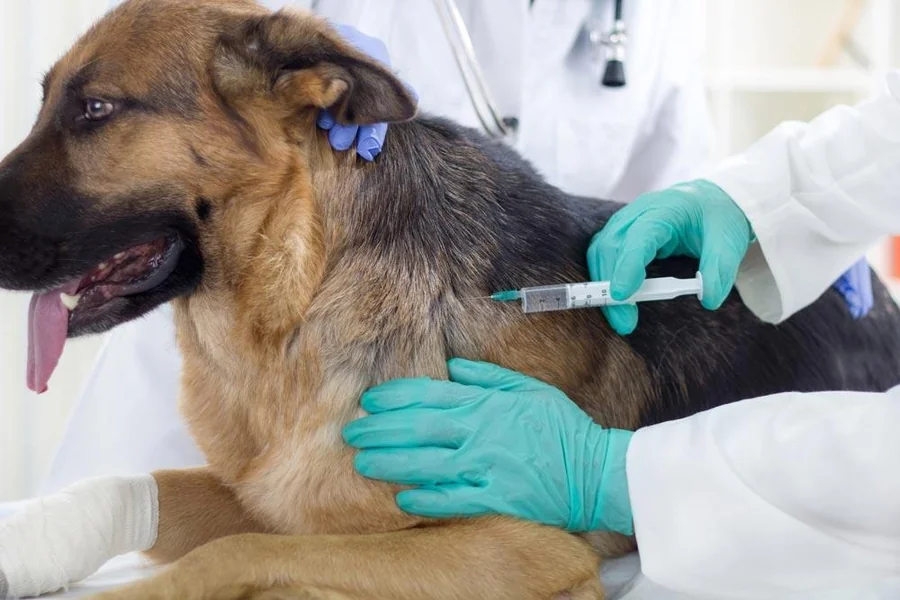
Pets count on you for their health. One key way to protect them is through vaccinations. When you visit a veterinarian in Tomball, they’ll check if your pet’s vaccinations are up-to-date. Vaccines prevent serious diseases that might otherwise harm your furry friends. They help your pet stay safe from illnesses like rabies, parvo, and distemper. Hospitals prioritize vaccinations because they keep both individual animals and the wider community healthy. When all pets are vaccinated, disease spread decreases. This safety net protects other pets, too. You also shield your family from zoonotic diseases, which spread from animals to humans. Choosing vaccination means choosing longevity and health for your pet. Trust veterinarians to guide you on the right schedule. A simple vaccination plan can protect your cherished animals for a lifetime. Prioritize their well-being by understanding the importance of keeping vaccinations current. Remember, a healthy pet is a happy companion.
Understanding Vaccines
Vaccines work by introducing a small, safe part of the disease into your pet’s body. This helps their immune system fight off the real disease if exposed later. By doing this, vaccines build a strong defense without causing the illness. Most vaccinations must be repeated regularly to ensure continued immunity. Every pet has different needs based on age, lifestyle, and health status. Therefore, it’s crucial to follow personalized vaccine schedules set by your vet. According to the American Veterinary Medical Association, staying on schedule significantly reduces the risk of disease.
Common Vaccines for Pets
Certain vaccines are considered essential for all pets. These include rabies, canine distemper for dogs, and feline viral rhinotracheitis for cats. Optional vaccines depend on various factors like environment and travel habits. Lyme disease vaccines are often recommended for dogs in tick-prone areas. For cats, the feline leukemia vaccine is crucial if they spend time outdoors. Understanding which vaccines are necessary for your pet helps you make informed decisions. Always consult with your vet to ensure you’re following the most effective plan.
Benefits of Vaccination
Vaccination offers many benefits, not just for your pet but also for the community.
-
Prevents serious diseases, reducing pain and suffering.
-
Minimizes the spread of diseases between animals and to humans.
-
Promotes longer life expectancy by preventing life-threatening illnesses.
Healthy pets lead to happy families. They provide companionship without the constant worry of illnesses. By vaccinating your pet, you contribute to a safer community.
Risks of Non-Vaccination
Choosing not to vaccinate puts your pet at risk. Unvaccinated animals can catch diseases that are often fatal or lead to chronic health problems. Diseases like parvo and distemper can cause severe symptoms, leading to costly treatments and emotional distress. Furthermore, unvaccinated pets contribute to the spread of diseases in the community, creating a health hazard for other animals and people.
Vaccination Schedule
Each vaccination schedule is customized based on your pet’s unique needs. Here is a simple table to give you a general idea of a standard vaccination timeline:
This table offers just a baseline. Regular vet visits are vital to maintain this schedule. Adjustments may be needed based on lifestyle or health changes.
Your Role as a Pet Owner
Your role is crucial in ensuring your pet’s vaccinations are up-to-date. Watch for reminders from your vet. Keep track of upcoming appointments. If you’re unsure, never hesitate to ask questions. Consult trusted sources like the Centers for Disease Control and Prevention for accurate information.
By staying informed and proactive, you protect not only your pet but also contribute positively to public health. A vaccinated pet is a happy, healthy, and safe companion.
