
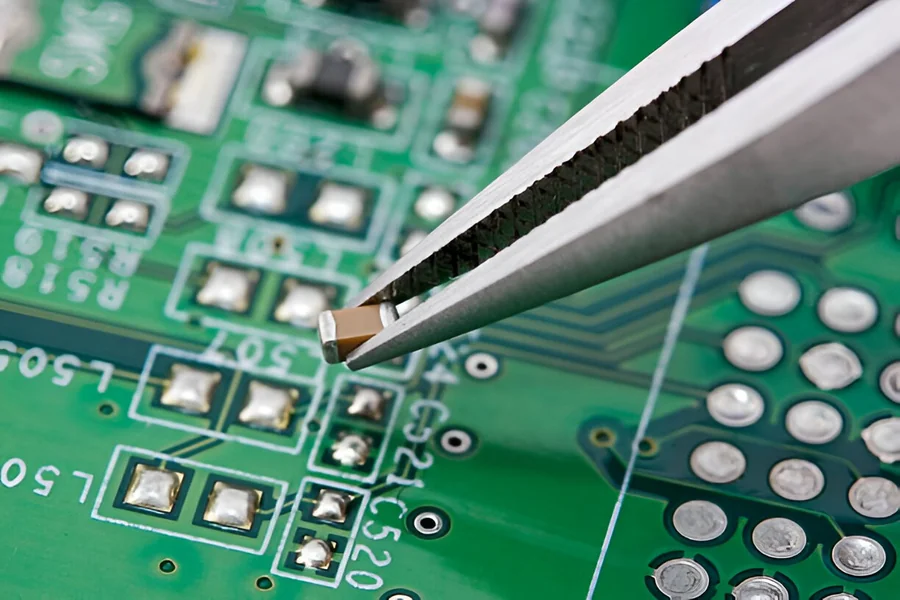
The world of electronics has been revolutionized by LED PCB assembly, which plays a critical role in delivering efficient, reliable, and high-performance lighting solutions. Light-emitting diode (LED) technology has become increasingly popular across various applications, including consumer electronics, automotive lighting, industrial equipment, and smart home systems. At the heart of these applications lies the LED PCB, which ensures proper electrical connectivity, thermal management, and mechanical stability.
Understanding LED PCB Assembly
LED PCB assembly involves mounting and soldering LED components onto printed circuit boards designed specifically to handle high current and heat dissipation requirements. Unlike traditional PCBs, LED PCBs are often made from materials such as aluminum or copper to efficiently manage heat generated by the LEDs during operation. This assembly process ensures that the LEDs operate at optimal performance while maintaining longevity and reliability.
The assembly process is crucial because LED systems often operate continuously, and any failure in the PCB can lead to reduced brightness, shorter lifespan, or complete device failure. Therefore, precision in component placement, soldering quality, and thermal management are key factors in LED PCB assembly.
Structure and Design of LED PCBs
An LED PCB assembly typically comprises several layers: a base layer for structural support, a metal core for heat dissipation, a dielectric layer to insulate electrical paths, and copper traces to conduct electricity. Some LED PCBs may also include additional components such as resistors, drivers, or sensors to optimize performance.
Designing an LED PCB requires careful consideration of thermal management, trace width, and electrical routing. Proper layout ensures that heat generated by the LEDs is efficiently dissipated, preventing overheating and ensuring consistent illumination.
The LED PCB Assembly Process
The LED PCB assembly process involves several critical steps to achieve a reliable and high-quality product:
Material Selection
Choosing the right PCB substrate is crucial. Aluminum PCBs are commonly used for high-power LEDs due to their excellent thermal conductivity. Copper-core PCBs are also popular for applications requiring high electrical performance.
Component Placement
Surface-mount technology (SMT) is widely used to place LEDs and other electronic components accurately on the PCB. Automated pick-and-place machines ensure precision and speed during assembly.
Soldering
Soldering the LEDs onto the PCB is a critical step. Reflow soldering is often employed for SMT components, while wave soldering may be used for through-hole LEDs. Proper soldering ensures a strong electrical connection and mechanical stability.
Thermal Management
LEDs generate heat during operation, which can affect performance and lifespan. Heat sinks, thermal vias, and metal-core substrates are integrated into the design to efficiently dissipate heat.
Testing and Quality Control
After assembly, LED PCBs undergo rigorous testing, including electrical tests, visual inspection, and thermal performance evaluation. This ensures that every PCB meets industry standards and provides reliable performance in its application.
Advantages of LED PCB Assembly
LED PCB assembly offers several benefits that make it a preferred choice for modern lighting applications:
- High Efficiency: LED PCBs provide consistent electrical connections and optimized thermal management, enhancing the energy efficiency of LED systems.
- Longer Lifespan: Proper thermal management reduces the risk of overheating, ensuring a longer operational life for LEDs.
- Compact Design: LED PCBs allow for compact and lightweight lighting solutions, enabling innovative designs for consumer electronics and automotive lighting.
- Improved Reliability: Automated assembly and precise component placement reduce the risk of failures, providing stable performance even under continuous operation.
- Cost-Effective: Although initial assembly costs may be higher, the durability and efficiency of LED PCBs reduce maintenance and replacement costs over time.
Applications of LED PCB Assembly
LED PCB assemblies are used across a wide range of industries due to their versatility and efficiency:
- Consumer Electronics: LED displays, smart lighting systems, and decorative lighting.
- Automotive Industry: Headlights, tail lights, and interior lighting for vehicles.
- Industrial Equipment: Machine vision systems, factory lighting, and high-power illumination.
- Healthcare and Medical Devices: Surgical lights, diagnostic equipment, and medical imaging devices.
- Outdoor and Street Lighting: High-efficiency LED street lamps and signage.
Future Trends in LED PCB Assembly
As LED technology continues to evolve, the demand for advanced LED PCB assembly will grow. Emerging trends include flexible LED PCBs for wearable devices, high-density LED arrays for displays, and smart lighting solutions integrated with IoT technology. Manufacturers are adopting advanced automated assembly, precision soldering, and improved thermal management techniques to meet the growing need for high-performance and reliable LED solutions.
Conclusion
In conclusion, LED PCB assembly is a vital component in modern lighting systems, offering efficiency, reliability, and innovative design capabilities. Its ability to handle high power, manage heat, and provide consistent electrical performance makes it indispensable for consumer electronics, automotive applications, industrial equipment, and more. Partnering with a trusted PCB assembly services provider ensures access to high-quality materials, precise assembly, and reliable production tailored to meet the most demanding LED applications.
