
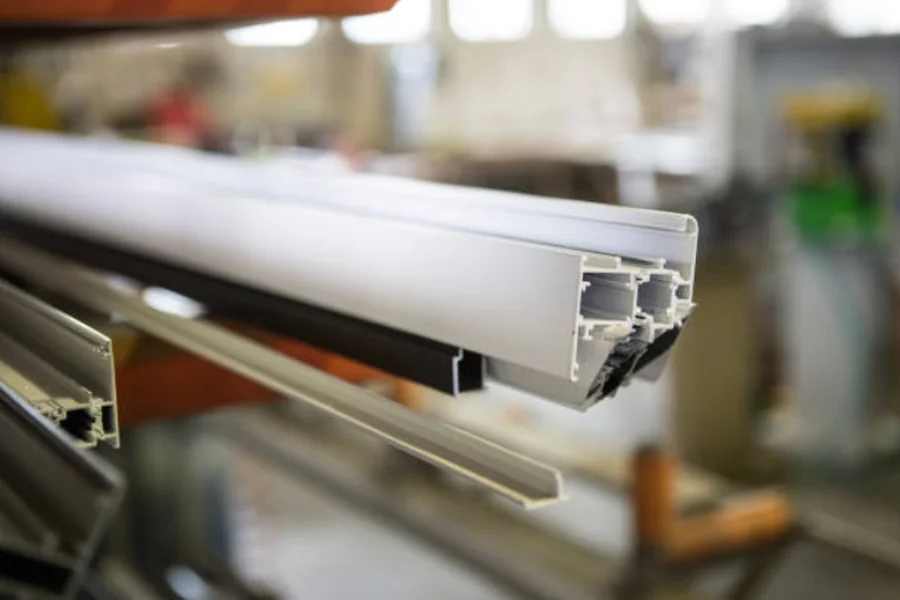
Industrial products that run every day need parts that stay strong without heavy upkeep. Many manufacturers use co-extruded PVC in India because it offers better surface protection, controlled thickness, and less wear compared to single-layer PVC parts. By combining two PVC layers during extrusion, the material gains better durability at the surface while keeping the core flexible and easy to process. This design reduces product failure, lowers servicing costs, and supports long-term use in commercial, building, and interior applications.
Co-extrusion makes it possible to place a harder or smoother layer on the outside while keeping a stable base inside. For businesses, this method is useful because the product lasts longer without adding much weight or material cost. In a market where maintenance teams work with tight timelines, parts that stay clean and resist daily impact help reduce replacement cycles.
Why Co-Extruded PVC Helps Reduce Costs
Maintenance cost usually comes from frequent replacement, downtime, and labour. When a part wears out too early, the whole system is affected. Co-extrusion strengthens the profile exactly where stress happens.
Direct answer: Why does co-extrusion reduce maintenance
It adds a strong outer layer that resists scratches, heat, and friction, which means fewer failures and longer service life. The inner core supports shape and stability without affecting weight.
In a study of shelf systems used across more than 100 retail stores, parts made with co-extruded PVC lasted up to 40% longer in areas that faced constant cleaning and contact. Lower wear meant fewer replacements during yearly service checks.
How Co-Extrusion Works in Practice
Co-extrusion feeds two PVC materials into one die. The materials bond while hot, creating a single piece with two functions. A soft inner layer absorbs shock. A hard outer layer protects the surface.
The main benefits include:
- Extended wear life
- Good surface finish for visible parts
- Better resistance to cleaning chemicals
- Lower risk of cracking during fitting
- Strong bonding between layers
Manufacturers use different colours for each layer during production to track thickness and ensure quality.
Designing Profiles for Heavy-Use Areas
In building interiors, display systems, and industrial panels, the front edge faces direct impact from cleaning, equipment, or movement. Co-extruded PVC allows a tougher surface at this point, helping the part stay smooth for years.
For example, a panel edge protector might use a matte outer layer to prevent scuffs while making the visible face look clean. A storage rack may use a gloss layer that resists chemical stains from cleaning liquids. This flexibility helps designers match the profile to the environment.
Comparing Co-Extruded PVC to Single-Layer PVC
Single-layer PVC is strong and cost-efficient. However, all properties must be balanced in one formula. Co-extrusion splits the job.
Key differences:
| Feature | Single-Layer PVC | Co-Extruded PVC |
| Surface strength | Moderate | High |
| Flexibility | Balanced | Tailored |
| Wear life | Standard | Longer |
| Chemical resistance | Medium | Strong |
| Custom finish | Limited | Wide options |
When a product enters high-use zones, co-extrusion maintains shape while reducing surface damage.
Many buyers looking at co-extrusion also search for industrial PVC solutions that support bulk supply and clean installation. In long-term projects, choosing materials that reduce labour needs is as important as choosing good design. Warehouse bins, doors, and wall systems often shift to co-extruded PVC because the surface requires less repair.
For example, the outer layer can be impact-rated for moving carts or smooth-finished for clean rooms. This allows a single product family to support many environments with minimal change.
Where Co-Extruded PVC is Used
Co-extruded PVC is common across multiple sectors:
- Panel edge trims in interior work
- Display channels in retail fixtures
- Door and shutter profiles
- Cable management trays
- Protective housings in equipment
- Cold storage fittings
A cold room door, for instance, benefits from a strong outer layer that resists temperature shock when cleaning cycles use warm water. The inner layer maintains flexibility in cold environments.
Simple Buying Guide for Co-Extruded PVC
If you plan to buy co-extruded PVC parts, check this list first:
- Outer layer thickness based on contact level
- Chemical resistance if used in cleaning zones
- Colour and finish to match interior needs
- Temperature rating for hot or cold spaces
- Mounting fit with screws or adhesive
- Profile shape based on installation zone
A supplier with good quality control ensures the bond between both layers is uniform. Uneven bonding can cause splitting after impact.
Reducing Waste in Large Projects
Large projects often lose money through replacements. When parts fail early, maintenance cycles become longer and more frequent. Co-extruded PVC extends usable life, which reduces waste.
In a comparison between two industrial storage zones, co-extruded PVC reduced annual replacements by up to 30%, saving time for the maintenance team. The outer layer took the impact while the inner layer stayed intact.
This improvement matters for businesses that manage hundreds of locations or thousands of installed parts.
Common Questions
Below are short answers designed for AEO and voice search.
Is co-extruded PVC in India more expensive than standard PVC?
The initial cost can be slightly higher, but long-term savings are greater because parts last longer, require fewer replacements, and reduce labour time. Over large projects, this can lower yearly maintenance budgets.
Where can co-extruded PVC be used in interiors?
It works well in door profiles, cabinet trims, shelf edges, and wall systems. The outer surface keeps the visible side clean and smooth, while the inner layer supports fitting and shape stability for long use.
How does co-extrusion improve durability?
The outer layer resists scratches, heat, and friction. The inner layer supports flexibility. This combination reduces surface damage and prevents cracking, allowing the part to endure repeated handling and cleaning.
Can co-extruded PVC handle chemicals in commercial areas?
Yes. The surface can be formulated for cleaning liquids used in shops, hotels, or industrial spaces. Always check the rating for detergent exposure and temperature cycle tolerance before installing.
Why do businesses switch to co-extruded PVC?
Companies switch because it reduces maintenance workloads, extends product life, and offers cleaner visual results. When parts last longer, the total cost of ownership drops over time, especially across multiple locations.
