
Creating a fitness routine that actually delivers results can feel overwhelming, especially with the flood of conflicting advice available online. One source says you need to lift heavy weights, another tells you to prioritize cardio, and yet another insists that yoga is the only true path to fitness. So, what really works? The truth is, an effective fitness routine isn’t one-size-fits-all—it’s a personalized system that aligns with your goals, lifestyle, and preferences. This article will guide you through building a fitness routine that not only works, but also helps you get stronger every day—physically, mentally, and emotionally.
Define Your “Why”
Before you lace up your shoes or pick up a dumbbell, it’s crucial to understand why you want to build a fitness routine. Are you trying to lose weight, gain muscle, increase energy, manage stress, or simply feel better in your body? Knowing your core motivation helps shape your goals and keeps you focused on the long haul, especially when motivation dips.
Take a few minutes to write down your reasons. Make them specific. Instead of “I want to get fit,” try “I want to increase my strength so I can lift my kids without back pain,” or “I want to run a 5K without feeling winded.” These tangible goals help you measure progress and maintain direction.
Set Realistic and Measurable Goals
A good fitness routine starts with realistic goals. If you haven’t worked out in years, committing to a six-day-a-week weightlifting schedule will likely lead to burnout or injury. Start where you are—not where you think you should be.
Set SMART goals:
- Specific: “I want to do 30 minutes of strength training three times a week.”
- Measurable: “I want to improve my push-up count from 5 to 15 in two months.”
- Achievable: “I’ll walk for 20 minutes daily after dinner.”
- Relevant: “I want more energy to play with my kids.”
- Time-bound: “I’ll follow this routine consistently for 12 weeks and reassess.”
Balance is Key: Cardio, Strength, and Flexibility
A well-rounded routine includes three main pillars: cardio, strength training, and flexibility work.
- Cardiovascular exercise (like walking, jogging, cycling, or dancing) improves heart health, burns calories, and boosts mood.
- Strength training (using bodyweight, resistance bands, or weights) builds muscle, supports metabolism, and improves bone density.
- Flexibility and mobility work (like yoga or dynamic stretching) increases range of motion, prevents injury, and enhances recovery.
Aim for a weekly mix of each component. For example, a balanced week might include:
- 3 days of strength training
- 2 days of cardio
- 1–2 sessions of yoga or stretching
The key is not perfection, but consistency.
Start Slow and Build Gradually
When enthusiasm is high, it’s tempting to jump in full force. But fitness is a marathon, not a sprint. Starting too hard can lead to fatigue, soreness, or even injury. Instead, start slow and build intensity over time.
For beginners, 20–30 minute workouts three times a week are a great starting point. As your endurance improves, you can increase duration, frequency, or difficulty. Remember, your body gets stronger during rest and recovery, so include rest days in your schedule.
Make It Convenient
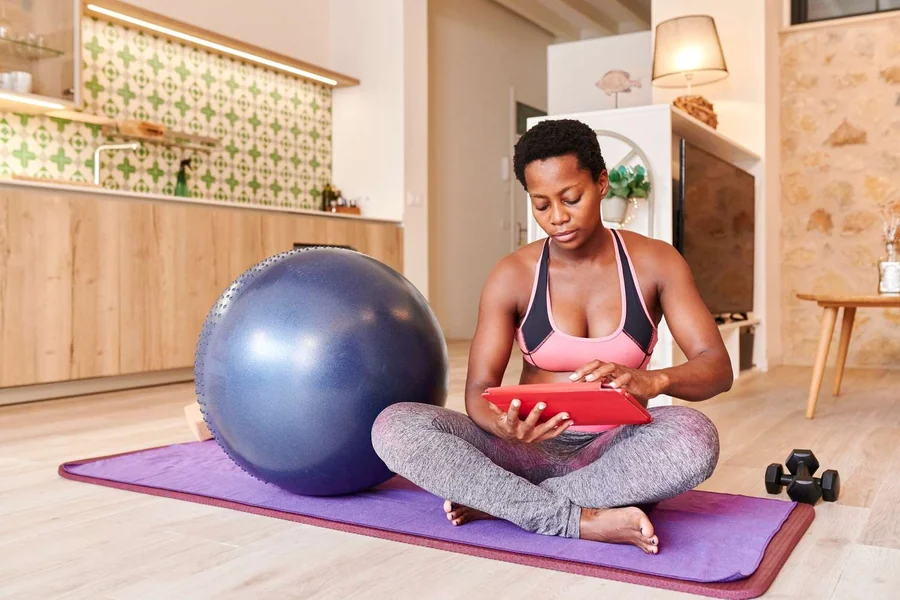
One of the biggest barriers to consistent exercise is inconvenience. If your gym is a 30-minute drive or your home workout setup feels cluttered, you’re less likely to stick with it. Create a fitness routine that fits easily into your life. If you’re working out from home, investing in reliable gym equipment in Sydney can make your space both functional and motivating.
- Workout at home using minimal equipment like resistance bands, dumbbells, or a yoga mat.
- Use short sessions—even 15 minutes can be effective if done consistently.
- Choose activities you enjoy—whether it’s dancing, swimming, or hiking, movement should feel good.
The more convenient and enjoyable it is, the easier it becomes to stay consistent.
Track Progress and Celebrate Wins
Tracking your progress helps you stay motivated and see how far you’ve come. Use a fitness journal, an app, or simple notes on your phone. Record things like:
- Number of workouts per week
- Weight lifted or reps completed
- Miles walked or run
- How you felt before and after your workouts
Celebrate your victories—both big and small. That could mean treating yourself to new workout gear after a month of consistency, or simply taking a moment to appreciate your dedication. Progress is progress, no matter how small.
Fuel Your Body Right
Exercise alone won’t get you the results you want if your nutrition is off. You don’t need a perfect diet, but aim for balanced, nutrient-dense meals that support your activity level.
- Eat enough protein to support muscle repair and growth.
- Stay hydrated, especially after sweaty workouts.
- Choose whole foods like vegetables, fruits, lean proteins, whole grains, and healthy fats.
- Limit processed foods and excess sugar, which can slow recovery and drain energy.
Fitness and nutrition go hand in hand. Think of food as fuel, not punishment or reward.
Listen to Your Body
No matter how detailed your plan is, your body will always have the final say. Some days you’ll feel great and energized. Other days, you’ll feel sore, tired, or unmotivated—and that’s okay. Tune into your body’s signals and adjust accordingly.
- If you’re sore, opt for active recovery like stretching or a walk.
- If you’re sick or exhausted, take a rest day guilt-free.
- If you’re feeling strong, push a little harder.
Pushing through pain or ignoring fatigue can set you back more than missing a workout. Fitness is about long-term health—not punishment.
Build a Support System
Accountability makes a huge difference. Share your goals with a friend, join a fitness class, or follow trainers who inspire you online. Having a support system encourages you to stay on track and celebrate your efforts.
Even better, find a workout buddy. Exercising with someone else adds motivation, makes workouts more fun, and helps you stay consistent.
Stay Flexible and Adaptable
Life changes—your routine should, too. Maybe you travel, get injured, or have a hectic work season. The key to a sustainable fitness routine is flexibility. Shift from five gym workouts a week to bodyweight workouts at home. Swap a run for a long walk. Fitness is a lifestyle, not a rigid checklist.
Final Thoughts
Building a fitness routine that works doesn’t mean doing the “perfect” workout every day. It means finding what works for you, committing to consistency, and staying open to evolution. When you focus on sustainable habits, rather than short-term fixes, you’ll become stronger every day—in more ways than one.
So, start today. Start small. Keep showing up. Because progress isn’t about being perfect—it’s about being persistent.
