
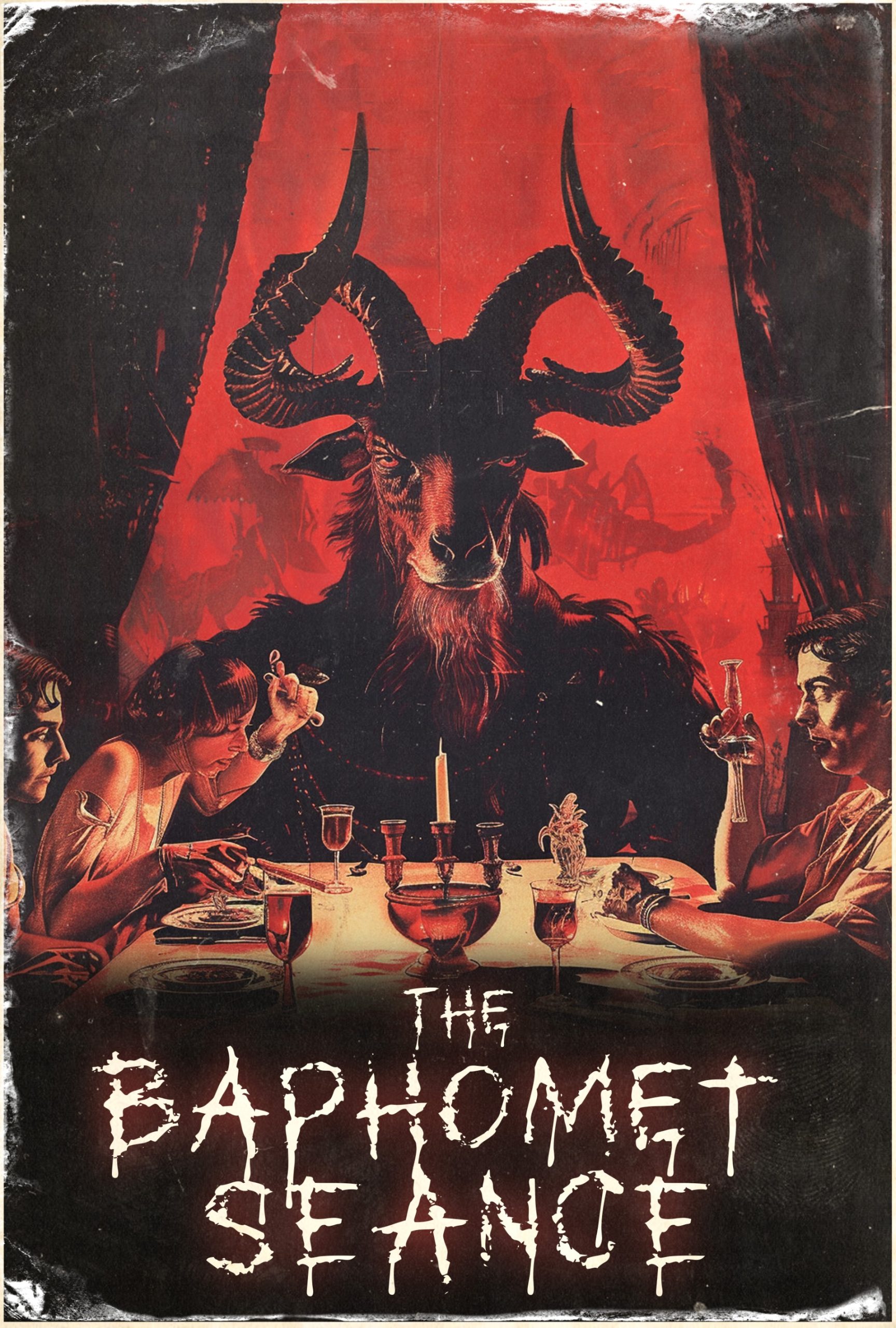
In the early 1980s, as horror cinema pushed boundaries with its exploration of the macabre, one film emerged that would surpass all others in controversy and intrigue: The Baphomet Seance. Released in 1983, the film was immediately met with a wave of backlash due to its graphic portrayal of satanic rituals and occult practices. Promoted as an instructional video on how to summon the devil and communicate with the dead, The Baphomet Seance became a lightning rod for outrage, particularly among Christian fundamentalists, who viewed it as a direct assault on their beliefs.
The film’s notoriety was such that it was banned in numerous cities across the United States and Canada. Authorities deemed it too dangerous for public viewing, citing the potential for psychological harm. For nearly four decades, The Baphomet Seance remained a relic of the past—forgotten yet whispered about in the shadows of horror fandom. But now, after years of obscurity, the film is set to make a dramatic return, and its resurrection has sparked as much controversy as its initial release.
The mystery began with an anonymous buyer’s purchase of the film’s original negative. The identity of this individual has become the subject of intense speculation, with conspiracy theorists proposing that the buyer could be a high-profile figure, perhaps someone as unlikely as Bill Gates or Oprah Winfrey. While these theories are almost certainly baseless, they have only added to the aura of mystery surrounding the film’s reappearance. After all these years, why would someone seek to bring The Baphomet Seance back into the public eye? What could they hope to achieve by reviving a film many had considered lost forever?
To understand the allure of The Baphomet Seance, one must first delve into the film itself. Described by those who have seen it as a dark and disturbing cinema, the film is said to contain explicit instructions on conducting a seance to summon the devil. The rituals depicted within the film are deeply rooted in occult practices, including elements of Wiccan worship and satanic invocations. Viewers who have experienced The Baphomet Seance recount the terror of what they saw on screen and the profound psychological impact that lingered long after the credits rolled. Many reported feelings of darkness, depression, and even physical illness—symptoms that only fueled the film’s reputation as “forbidden footage.”
In the face of these claims, the exhibitors of The Baphomet Seance have been quick to downplay any notion of supernatural influence. According to them, the film was not created with any satanic or occult intent, and any adverse reactions experienced by viewers can be explained through psychological means. “Satan is not real,” they assert. “This is just a film—a collection of scary ideas that people have taken too seriously.” Despite these reassurances, the film’s content has continued to provoke outrage, particularly among Christian fundamentalists. Many of these individuals believe that the film is more than just a work of fiction; they see it as a dangerous gateway to dark forces that should not be trifled with.
To address these concerns, the re-release of The Baphomet Seance will include a warning at the beginning of the film. This disclaimer, endorsed by community and religious leaders who have previewed the film, will caution viewers about the potentially disturbing content they are about to witness. However, reports suggest that many of these leaders could not watch the entire film, leaving screenings early due to overwhelming dread and nausea.
Despite—or perhaps because of—this controversy, The Baphomet Seance is poised to make a significant impact upon its return to the big screen. The film will premiere in select theaters across the United States, Canada, and the United Kingdom later this year. In areas where traditional theaters have refused to screen the film, horror conventions and fan events have stepped in to fill the void, offering showings to audiences eager to experience the film’s dark reputation for themselves.
The anticipation surrounding The Baphomet Seance is palpable. For horror fans, the opportunity to see a film that has been shrouded in mystery for so long is nothing short of thrilling. But the film’s return is about more than just satisfying curiosity; it also raises important questions about censorship, the power of media, and the fine line between art and obscenity. Is The Baphomet Seance simply a product of its time, reflecting the fears and anxieties that defined the early 1980s? Or does it possess a darker power, capable of influencing those who dare to watch it?
As the film’s re-release date approaches, these questions will be increasingly debated. For those intrigued by The Baphomet Seance’s mystery and controversy, the opportunity to see it for themselves is fast approaching. Tickets are now available on the film’s official website, offering a chance to witness firsthand the movie that has haunted the nightmares of those who have seen it.
Whether The Baphomet Seance is a misunderstood horror cinema or a truly dangerous work remains to be seen. But one thing is certain: its return to the public eye will not go unnoticed. Secure your tickets now on the official websites www.TheBaphometSeance.com.
Do you believe The Baphomet Seance is merely a provocative horror film, or does it carry a darker influence? Join the conversation and share your thoughts.
#christianfanatics #christianfilms #Churchgroups #christiangroups #forbiddenfootagefilm #thebaphometSeance #baphometseance #baphometmvoie #tehdevilsmovie #satansmovie #satanmovie #evilmovie #bannedmovies #forbiddenfootage #strangemovies
