
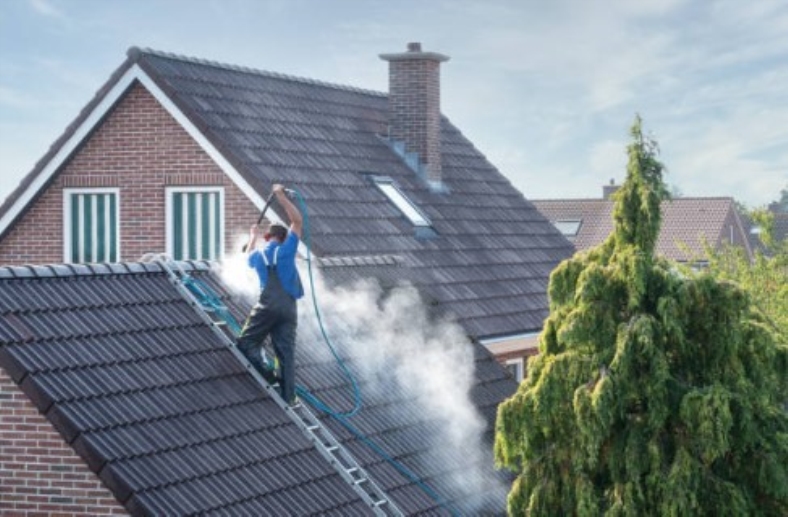
Soft washing has emerged as a revolutionary cleaning technique that offers a gentle and effective solution for maintaining the cleanliness and longevity of various surfaces. Unlike traditional pressure washing methods, which can sometimes cause damage or strip away protective coatings, soft washing utilizes low-pressure water combined with specialized detergents to effectively remove dirt, grime, mold, and other contaminants. In this article, we will explore the numerous benefits of soft washing for common surfaces, understand the science behind its effectiveness, and provide practical insights into how to incorporate this method into your cleaning routine. Soft washing offers a safe and eco-friendly approach to rejuvenating surfaces and enhancing their durability, whether it’s your home’s exterior walls, roof, deck, or driveway.
1. Introduction to soft washing as a gentle and effective cleaning method
1.1 What is soft washing?
Have you heard of the soft washing method? Don’t worry if you haven’t, because we got you covered! Soft washing involves using low-pressure water spray and chemicals to clean surfaces effectively. This method is typically used to clean delicate surfaces such as roofs, sidings, and outdoor furniture without damaging them. It’s a less abrasive alternative to the traditional pressure washing that can cause damage to surfaces. So why choose soft washing? Besides its gentle approach to cleaning, it’s also environmentally friendly, effective, and affordable! So, if you’re tired of scrubbing your outdoor structures with no success, try soft washing!
1.2 The popularity of soft washing
Soft washing has been gaining popularity in recent years, and it’s not hard to understand why. Its ability to clean effectively without causing damage has become the go-to method for homeowners and business owners. From residential buildings to commercial properties, soft washing is the preferred choice for maintaining a clean and attractive appearance.
2. Understanding the common surfaces that can benefit from soft washing
2.1 Exterior walls and sidings
Over time, your home’s exterior walls and sidings can accumulate dirt, cobwebs, and algae. Soft washing can safely and effectively remove these unsightly elements, restoring your property’s beauty and curb appeal.
2.2 Roofs and shingles
Roofs and shingles are prone to moss, lichen, and algae growth, affecting their appearance and lifespan. Soft washing can eliminate these unwelcome guests without causing any damage to your roof, keeping it looking fantastic and extending its durability.
2.3 Decks and patios
Decks and patios are outdoor havens that often fall victim to dirt, grime, and mold buildup. Soft washing can restore their original splendor, making them more enjoyable spaces for relaxation and entertainment.
2.4 Driveways and sidewalks
Driveways and sidewalks can accumulate oil stains, dirt, and discoloration over time. Soft washing can effectively remove these blemishes, reviving their appearance and making your property look well-maintained.
3. Exploring the advantages of soft washing over traditional pressure washing
Cleaning the exterior of your home or business is important, not just for aesthetic reasons but also for upkeep. However, deciding on the best method can be overwhelming as several options are available. One such option that is gaining popularity is soft washing! Soft washing applies a low-pressure water spray and a cleaning solution to tackle tough dirt and grime. Not only is it effective, but it is also much gentler on common surfaces like siding, roofs, and decks. Say goodbye to the risk of damage caused by harsh high-pressure washing methods. Soft washing is the way to go!
3.1 Gentle yet effective cleaning
While pressure washing can be like a bulldozer blasting away dirt, soft washing is more like a skilled masseuse, providing a gentle touch while achieving excellent results. Soft washing can remove even the toughest stains, leaving your surfaces clean and refreshed.
3.2 Preserving surface integrity
One of the greatest advantages of soft washing is that it preserves the integrity of your surfaces. The low-pressure water and specially formulated detergents ensure that your surfaces are cleaned without damage or erosion, keeping them in optimal condition for years.
3.3 Minimizing water usage
Soft washing is not only gentle on surfaces but also on the environment. By utilizing low-pressure water and efficient cleaning solutions, it significantly reduces water usage compared to traditional pressure washing. So, you can have clean surfaces while minimizing your impact on the planet.
4. The science behind soft washing and its impact on surface longevity
4.1 Role of detergents and cleaning solutions
Soft washing isn’t just about water; it’s the secret sauce of the cleaning world. Using biodegradable detergents and cleaning solutions helps break down dirt, mold, and algae, making them easier to remove. These solutions are designed to be tough on grime while gentle on surfaces
4.2 Understanding the low-pressure application
Soft washing relies on the power of low-pressure water to do its magic. Using gentle streams of water ensures that surfaces are cleaned without the risk of damage or erosion. This method allows the cleaning solutions to work effectively, resulting in a thorough and long-lasting clean.
4.3 Preventing mold, mildew, and algae growth
Soft washing not only cleans surfaces but also helps prevent the future growth of mold, mildew, and algae. The detergents used in soft washing remove the spores that lead to these unsightly invaders. By addressing the root of the problem, soft washing helps keep your surfaces looking clean and fresh for extended periods.
Now that you know soft washing’s benefits, say goodbye to stubborn grime and hello to a cleaner, more vibrant property!
5. Step-by-step guide to soft washing for different surfaces
5.1 Surface preparation
Before you begin soft washing your surfaces, it’s essential to prepare them properly. Using a broom or brush, remove any loose debris, such as leaves or dirt. Clearing the area ensures that the cleaning solution can penetrate effectively.
5.2 Choosing the right cleaning solution
Selecting the appropriate cleaning solution is crucial for achieving optimal results. There are various options available, from environmentally friendly solutions to commercial-grade cleaners. Consider the surface you are cleaning and any specific concerns, such as stains or mold. Research the best solution for your needs or consult a professional to ensure you choose the right product.
5.3 Application techniques
When it comes to soft washing, technique is key. Apply the cleaning solution using a low-pressure sprayer or soft wash system. Start from the bottom and work your way up, ensuring even coverage. Allow the solution to sit for a recommended amount of time, usually 5-10 minutes, to break down dirt and grime effectively.
5.4 Rinsing and post-treatment care
Once the cleaning solution has done its job, it’s time to rinse it off. Use a garden hose or pressure washer on a low setting to rinse the surface thoroughly. Pay attention to any crevices or hard-to-reach areas to ensure a complete clean. After rinsing, allow the surface to dry naturally. If desired, you can apply a protective sealant to help maintain the cleanliness and longevity of the surface.
6. Safety precautions and best practices for soft washing
6.1 Protective gear and equipment
When soft washing, it’s essential to prioritize safety. Wear appropriate protective gear, such as gloves, goggles, and a mask, to shield yourself from chemicals and potential debris. Additionally, ensure that your equipment, such as sprayers and hoses, are in good working condition to minimize potential accidents.
6.2 Safe handling of cleaning chemicals
Handling cleaning chemicals requires caution. Always read and follow the instructions provided by the manufacturer. Dilute the solution properly and avoid mixing chemicals unless specifically advised to do so—store cleaning products in a secure location, away from children and pets, to prevent accidents.
6.3 Working at heights and avoiding accidents
If you need to softwash surfaces at heights, take extra precautions. Use stable and secure ladders or scaffolding, ensuring they are correctly set up and maintained. Never overreach or work on surfaces that are wet or slippery. Remember to assess the area for potential hazards and plan accordingly to minimize accidents.
7. Environmental benefits of soft washing
7.1 Limiting chemical runoff and water pollution
Soft washing offers environmental benefits by reducing the amount of chemical runoff and water pollution. Unlike power washing, soft washing uses low-pressure water and biodegradable cleaning solutions, which are less likely to harm aquatic ecosystems and contaminate water sources.
7.2 Protecting plants, animals, and ecosystems
Traditional power-washing methods often cause damage to nearby plants, shrubs, and delicate ecosystems. Soft washing, on the other hand, minimizes the risk of harm as the low-pressure stream is gentle on delicate surfaces and vegetation. By choosing soft washing, you can help protect the environment and preserve the natural beauty around your property.
7.3 Sustainable cleaning practices
Soft washing promotes sustainable cleaning practices using environmentally friendly cleaning solutions and techniques. The biodegradable detergents used in soft washing have a reduced impact on the ecosystem compared to harsh chemicals found in traditional cleaning methods. By embracing soft washing, you contribute to a cleaner and greener future.
8. Conclusion: Embracing the benefits of soft washing for a clean and sustainable future
Soft washing is an effective way to clean various surfaces and a more environmentally friendly alternative to traditional power washing. By following the step-by-step guide, practicing safety precautions, and understanding the environmental benefits, you can achieve a clean and sustainable future. So, grab your sprayer, wear your protective gear, and embrace the wonders of soft washing!
In conclusion, soft washing presents a remarkable cleaning method that effectively removes dirt and grime and ensures the preservation and longevity of various surfaces. By utilizing low-pressure water and environmentally friendly detergents, soft washing proves to be a gentle yet powerful alternative to traditional pressure washing techniques. Its ability to prevent mold, algae growth, and surface damage makes it an ideal choice for homeowners and businesses. Embracing soft washing promotes a clean and attractive environment and contributes to a sustainable future by reducing water consumption and minimizing chemical runoff. So, why settle for harsh methods when you can achieve outstanding results with the gentle touch of soft washing? Make a switch today and experience the transformative benefits for yourself.

Frequently Asked Questions (FAQ)
1. Is soft washing safe for all surfaces?
Soft washing is generally safe for most surfaces, including siding, roofs, decks, and concrete. However, it is important to consider the specific requirements of each surface and follow the manufacturer’s recommendations. Delicate surfaces like wood or certain roofing materials may require extra care and specialized cleaning solutions. Consulting with a professional or doing proper research beforehand can help ensure that soft washing suits your specific surface.
2. How long does the soft washing process typically take?
he duration of the soft washing process can vary depending on various factors, such as the size of the surface being cleaned, the level of dirt and grime buildup, and the weather conditions. Generally, a soft washing job can take a few hours to a full day. It is important to allocate enough time for surface preparation, the application of cleaning solutions, and the rinsing process to ensure thorough and effective cleaning results.
3. Can I perform soft washing or hire a professional?
While soft washing can be done as a DIY project, it is recommended to hire a professional for several reasons. Professionals have the necessary expertise, equipment, and knowledge to assess the specific needs of different surfaces and choose the appropriate cleaning solutions. They also ensure proper safety measures and can complete the job efficiently. Additionally, professionals can offer post-treatment care advice to extend the cleaned surfaces’ longevity.
Autobiography
Jim Pulman has extensive knowledge and experience in Home Building, Construction, and Design. He writes articles in his free time and partners with content creators to share his expertise with the online community
